Economic News
Subscribe →
HomeMonetary PolicyFiscalTradeRegulationBankingEconomic DataAbout
Vol. 02 · New Zealand
SATURDAY 06/06/2026
Iss. 2026 / 23
Economic News

Balanced. Independent. Informed.

Sections

  • Monetary Policy
  • Fiscal
  • Trade
  • Regulation
  • Banking
  • Economic Data

Subscribe

  • Free email
  • Email preferences
  • RSS feed

Company

  • About
  • Privacy policy

About

Economic News is an independent New Zealand publication covering monetary policy, markets, the public finances and the wider economy.

© 2026 Economic News Limited
.

Budget 2026 Ends Fees-Free Policy, Saves $1 Billion — Economic News
Live
ECONOMIC NEWS NZECONOMIC NEWS NZECONOMIC NEWS NZECONOMIC NEWS NZECONOMIC NEWS NZECONOMIC NEWS NZECONOMIC NEWS NZECONOMIC NEWS NZECONOMIC NEWS NZECONOMIC NEWS NZECONOMIC NEWS NZECONOMIC NEWS NZECONOMIC NEWS NZECONOMIC NEWS NZECONOMIC NEWS NZECONOMIC NEWS NZECONOMIC NEWS NZECONOMIC NEWS NZECONOMIC NEWS NZECONOMIC NEWS NZECONOMIC NEWS NZECONOMIC NEWS NZECONOMIC NEWS NZECONOMIC NEWS NZECONOMIC NEWS NZECONOMIC NEWS NZECONOMIC NEWS NZECONOMIC NEWS NZECONOMIC NEWS NZECONOMIC NEWS NZECONOMIC NEWS NZECONOMIC NEWS NZECONOMIC NEWS NZECONOMIC NEWS NZECONOMIC NEWS NZECONOMIC NEWS NZECONOMIC NEWS NZECONOMIC NEWS NZECONOMIC NEWS NZECONOMIC NEWS NZECONOMIC NEWS NZECONOMIC NEWS NZECONOMIC NEWS NZECONOMIC NEWS NZECONOMIC NEWS NZECONOMIC NEWS NZECONOMIC NEWS NZECONOMIC NEWS NZECONOMIC NEWS NZECONOMIC NEWS NZECONOMIC NEWS NZECONOMIC NEWS NZECONOMIC NEWS NZECONOMIC NEWS NZECONOMIC NEWS NZECONOMIC NEWS NZECONOMIC NEWS NZECONOMIC NEWS NZECONOMIC NEWS NZECONOMIC NEWS NZECONOMIC NEWS NZECONOMIC NEWS NZECONOMIC NEWS NZECONOMIC NEWS NZECONOMIC NEWS NZECONOMIC NEWS NZECONOMIC NEWS NZECONOMIC NEWS NZECONOMIC NEWS NZECONOMIC NEWS NZECONOMIC NEWS NZECONOMIC NEWS NZ
BUDGET 2026 · TERTIARY EDUCATION POLICY

Budget 2026 Ends Fees-Free Tertiary Policy, Saves $1 Billion Over Four Years

The 28 May 2026 Budget ends the fees-free tertiary policy at the close of 2026, delivering $1 billion in savings over four years while redirecting funds to vocational training and secondary education initiatives.

Fiscal Desk29/05/2026 · 07:15 NZT7 min read
FiscalBreaking
FD
Fiscal Desk
Fiscal Policy Correspondent · 29/05/2026 · 07:15 NZT · 7 min read
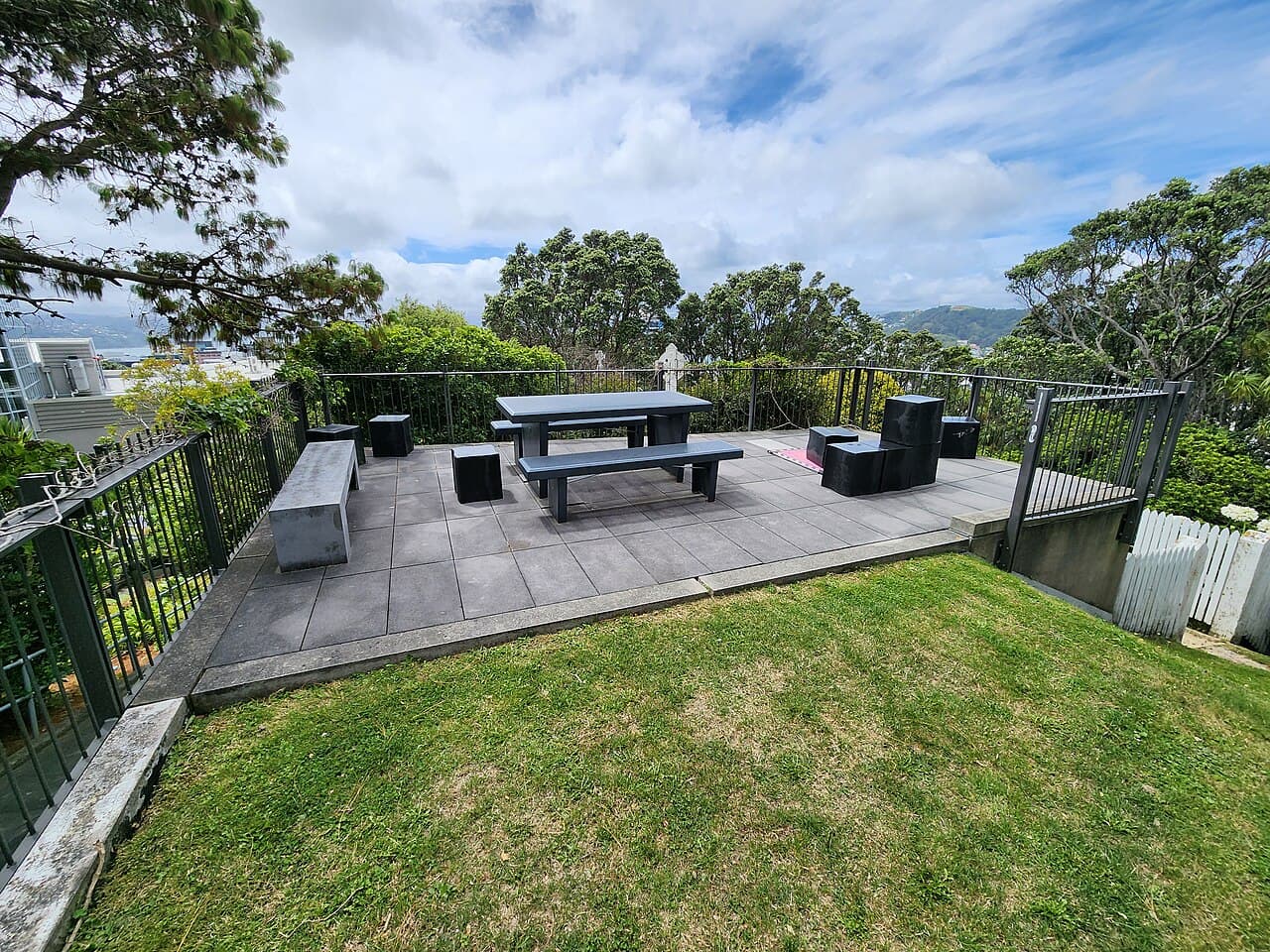
Victoria University of Wellington Kelburn Campus, whose students' association president criticised the Budget 2026 fees-free termination

At a glance

From 2027, students lose up to $12,000 in annual fees-free support as $1 billion in savings is rerouted to Trades Academies, curriculum reform, and early childhood education.

Key stats

4-year saving
$1 billion
fees-free termination
Annual saving
~$300 million
from 2027
Fee rise cap
6%
domestic students, 2027
Education package
$2.1 billion
over four years
Enrolment top-up
$284 million
tertiary under-funding
Govt spending
$155 billion
coming financial year
Trades Academy target
20,000 places
by 2030

Sources cited

  • Budget 2026 - Budget at a Glance — The Treasury
  • Budget 2026 - Ministry of Education — Ministry of Education
  • Budget 2026: Education boost in trade training for teens, tertiary subsidies frozen — RNZ
  • Government Super Fund contributions increase — Beehive.govt.nz
  • Budget 2026 – Investing in Secondary Achievement — Hon Erica Stanford
  • NZ’s costly fees-free scheme did little to widen access to tertiary education – new study — The Conversation
  • Fees Free — Study or train fees-free

Free

New Zealand's economy, straight to your inbox.

By subscribing you accept our privacy policy.

More from fiscal

Transmission Gully motorway route through Wellington hill country, one of New Zealand's most delayed and cost-escalated infrastructure projects
Fiscal · 04/06/2026 · 12:55 NZT

Infrastructure stop-start decisions cost New Zealand $11.8 billion over 25 years

Pausing, cancelling and delaying infrastructure projects has cost New Zealand an estimated $11.835 billion over the past 25 years, according to a new report by economist Shamubeel Eaqub.

Fiscal Desk·04/06/2026 · 12:55 NZT·8 min
Budget documents and spreadsheets spread across a Wellington government office desk beneath natural light
Fiscal · 04/06/2026 · 09:40 NZT

MFAT Carries Forward $162 Million Foreign Aid Underspend

The Ministry of Foreign Affairs and Trade spent $162 million less on foreign aid in 2024-25 than previously budgeted, according to figures in Budget 2026 estimates.

Fiscal Desk·04/06/2026 · 09:40 NZT·7 min
A quiet Wellington suburban community services office building surrounded by native flax plantings on an overcast morning
Fiscal · 03/06/2026 · 09:39 NZT

Oranga Tamariki Secures $184 Million Uplift Amid Ongoing Shortfalls

Amanda Malu, who became chief executive of Oranga Tamariki in February 2026, will direct an extra $184 million from Budget 2026 to handle reports of suspected harm and support high-needs children.

Fiscal Desk·03/06/2026 · 09:39 NZT·6 min

All fiscal →

The 28 May 2026 Budget ends the fees-free tertiary policy at the close of 2026, delivering $1 billion in savings over four years while redirecting funds to vocational training and secondary education initiatives.

The government will save approximately $300 million annually by terminating the policy that provided up to $12,000 for the final year of study. Students completing study in 2026 remain eligible, but the change applies from 2027.

Tertiary institutions gain flexibility to raise domestic student fees by up to 6 percent in 2027. This marks the third consecutive year of permitted increases. Core subsidies remain frozen except for a 2 percent rise for foundation courses.

The move forms part of a broader reprioritisation within a constrained fiscal envelope. The net operating package averages $2.1 billion per year. New expenditure totals $3.8 billion annually on average, offset by $1.7 billion in savings and revenue measures. Overall government spending reaches $155 billion in the coming financial year.

Education Package Allocations

The education package totals $2.1 billion over four years. It includes $1.6 billion for schooling and early childhood education, $69 million to nearly double Trades Academy places to 20,000 by 2030, $80 million for secondary curriculum resources and a new qualification, and $20 million for professional learning for 32,000 secondary teachers.

An additional $284 million addresses enrolment growth and prior under-funding in tertiary education. Tertiary institutes receive $87 million over four years, redirected from fees-free savings, to fund 1,000 extra Youth Guarantee places for foundation courses.

Early childhood education services receive a 1.5 percent subsidy increase from July 2026, six months earlier than the standard January timing.

A study published in The Conversation found the fees-free scheme had minimal impact on overall participation rates or access for disadvantaged students. The policy originated in 2018 as first-year free, shifted to final-year coverage from 2025, and peaked at around $350 million per year. Cumulative costs reached an estimated $2.6 billion.

Government Frames Termination as Fiscal Correction

The government frames the termination as ending an expensive and ineffective programme. Savings support targeted investments in frontline services and trades pathways. Government contributions to the New Zealand Superannuation Fund rise to $3.1 billion over the next four years.
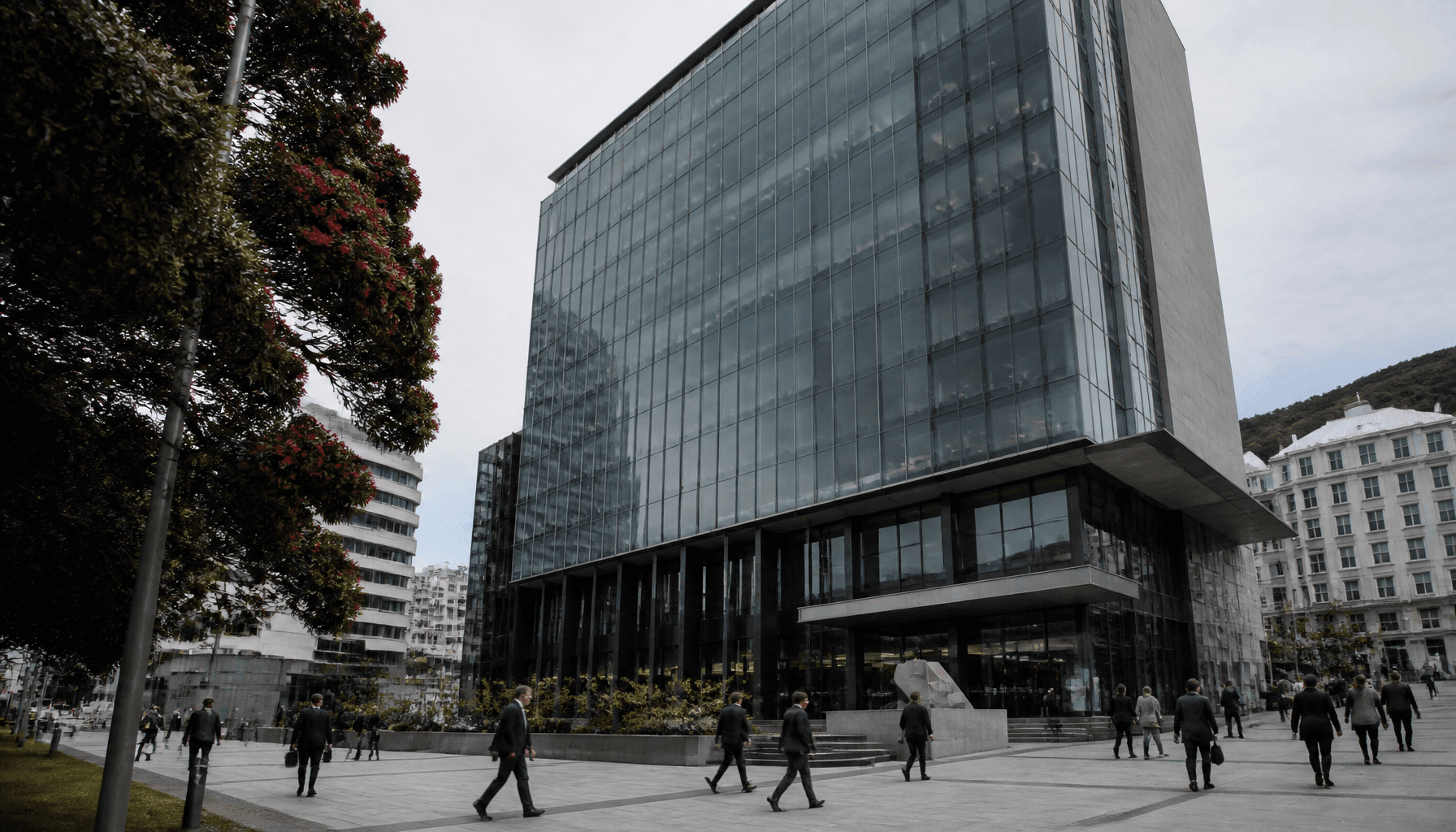

Budget 2026 Education Package Allocations (Four Years)
Selected major items within the $2.1 billion education operating package. Fees-free savings contribute to overall reprioritisation.
Source: Ministry of Education Budget 2026 and Treasury Budget at a Glance

Student and Sector Reaction

Student groups and unions have criticised the changes. Victoria University Students’ Association president Aidan Donoghue described the combined effect as a double blow, with students losing up to $12,000 in fees-free support while simultaneously facing a further 6 percent fee rise. Post Primary Teachers’ Association president Chris Abercrombie described the education changes as once in a generation and the largest since Tomorrow’s Schools, and said the $20 million teacher training allocation amounted to only one day of training per teacher.

Education Minister Erica Stanford countered that the $20 million allocation equates to five days of professional development per secondary teacher.

Te Rito Maioha chief executive Kathy Wolfe welcomed the earlier timing of the 1.5 percent ECE subsidy increase but stated it was not going to even scratch the surface for ongoing financial pressures.

The Tertiary Education Commission will manage the $284 million top-up and expanded vocational places. Institutions may implement the full 6 percent fee rise amid cost-of-living pressures.

The policy reversal aligns with the coalition’s focus on reprioritising spending toward effective vocational and secondary programmes. Medium-term effects on enrolment and workforce entry will appear in Stats NZ and Education Counts data from 2027 onward.