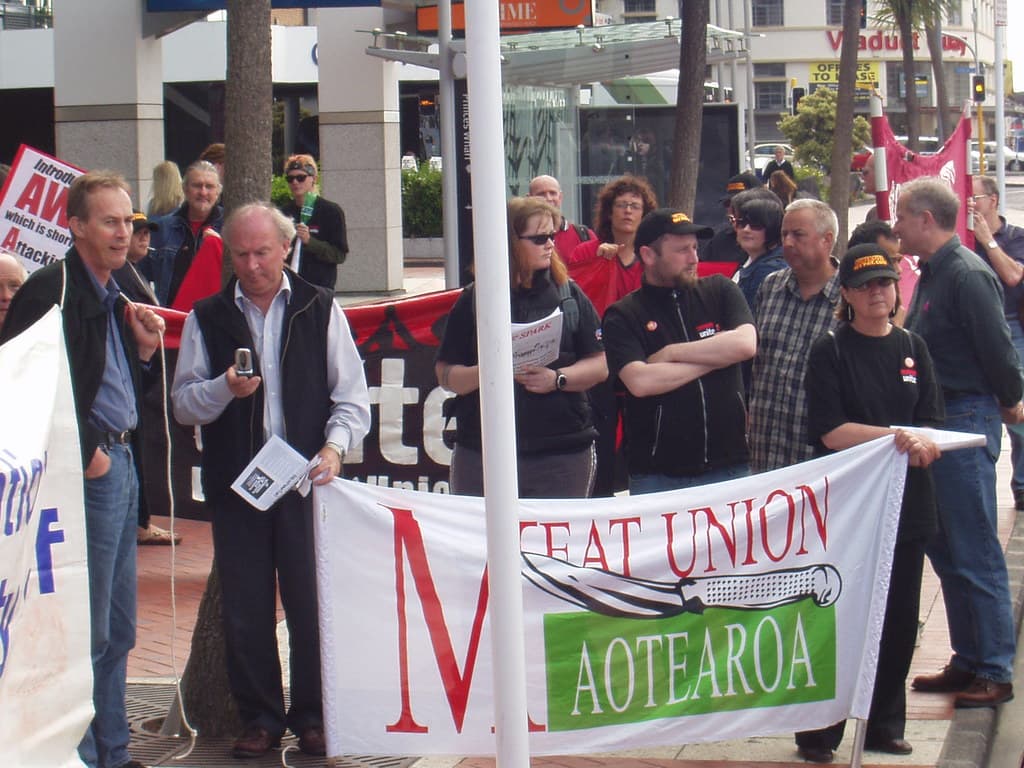
The Council of Trade Unions is pressing the government to deliver targeted relief for workers in the 28 May Budget, citing Australia's recent tax measures for low-income earners as an example.
Council of Trade Unions president Sandra Grey said 70 percent of New Zealand workers have experienced real pay cuts amid weak economic conditions and high living costs.
"The Australians found money to support people in this cost-of-living crisis. We are not sure why our government wouldn't be doing its best to do that as well." — Sandra Grey, CTU president
Australia's 2026–27 Budget introduced a permanent $250 Working Australians Tax Offset from 2027–28 for over 13 million workers. It also adjusted capital gains tax with inflation indexation and a 30 percent minimum rate from July 2027.
A tight fiscal backdrop
New Zealand's Budget 2026 comes as Treasury's Half Year Economic and Fiscal Update 2025 forecasts an OBEGALx deficit of $13.9 billion, or 3.0 percent of GDP, for 2025/26. Net core Crown debt is projected to reach $197 billion.
The government plans to cut the core public service by 8,700 full-time equivalent roles to 55,000 by July 2029, Finance Minister Nicola Willis announced in a pre-Budget speech.
Labour market and cost pressures
Stats NZ data show the unemployment rate at 5.3 percent in the March 2026 quarter. The labour cost index rose 2.0 percent in the year to March 2026.
Petrol prices jumped 18.6 percent month-on-month in March 2026, while diesel rose 42.6 percent, according to 1News and NZ Herald reports on fuel spikes tied to the Iran war.
What the CTU is asking for
Last year's Budget introduced the Investment Boost, offering businesses a 20 percent upfront deduction on new depreciable assets.
Grey suggested possible measures including higher accommodation supplement payments and a larger minimum wage increase. The government did not respond to a request for comment on CTU's specific Budget proposals.
The government has already provided a temporary boost to the in-work tax credit of $50 a week to almost 150,000 families from April 2026 to offset fuel costs.
Fiscal trade-offs ahead
Any new worker supports would add pressure to the fiscal position as the government targets an OBEGALx surplus by 2028/29 or later, according to Treasury's Half Year Economic and Fiscal Update 2025, while managing rising debt.
Public service reductions aim to restrain operating expenditure after inflation-adjusted funding pressures.