Energy Strategy Scrap Sparks Regulatory Whiplash for NZ Businesses
The government's abrupt scrapping of a long-term energy strategy in April 2026 has left New Zealand businesses facing fresh uncertainty, as gas reserves continue their sharp decline and short-term fixes dominate policy.
Auckland’s potential $5 billion Fast-track infrastructure exposure and 16,270 wrongly suspended Winter Energy Payments have become the first real-world stress tests of the Regulatory Standards Act 2025.
Cabinet’s Economic Policy Committee has formally authorised public consultation on a prudential levy to shift Reserve Bank supervision costs onto banks, insurers and market infrastructure operators from 2027/28.
Cabinet has agreed in principle to three shifts in public performance reporting sought by the Finance and Expenditure Committee, while parking detailed design and costings until 2027.
The government's abrupt scrapping of a long-term energy strategy in April 2026 has left New Zealand businesses facing fresh uncertainty, as gas reserves continue their sharp decline and short-term fixes dominate policy.
Last week, Prime Minister Christopher Luxon publicly backed an energy strategy — a position welcomed by businesses and environmental groups who have spent years lobbying for clear direction. Within days, he dismissed the idea as 'waffle', prompting dismay across the energy sector. Documents released under the Official Information Act to climate group 350Aotearoa confirm the strategy was formally scrapped in April 2026, with officials citing the immediate pressures of a global fuel crisis and the need to focus resources on implementing the October 2025 Energy Package.
The reversal is the latest in a long series of policy flip-flops that have raised the cost of capital for investors in New Zealand's energy sector. The previous Labour government began developing a 30-year strategy, only for the coalition to halt that work after taking office in 2023. MBIE's current website still hosts pages for the draft strategy and related consultations, yet the overarching document has never materialised.
The macro setting is one of acute energy insecurity. A dry-year event in winter 2024 saw wholesale electricity prices spike to $800/MWh, exposing the limits of the hydro-dominated system. The coalition's response has included reversing the 2018 offshore oil-and-gas exploration ban, advancing plans for an LNG import terminal, and prioritising short-term supply measures over a holistic roadmap.
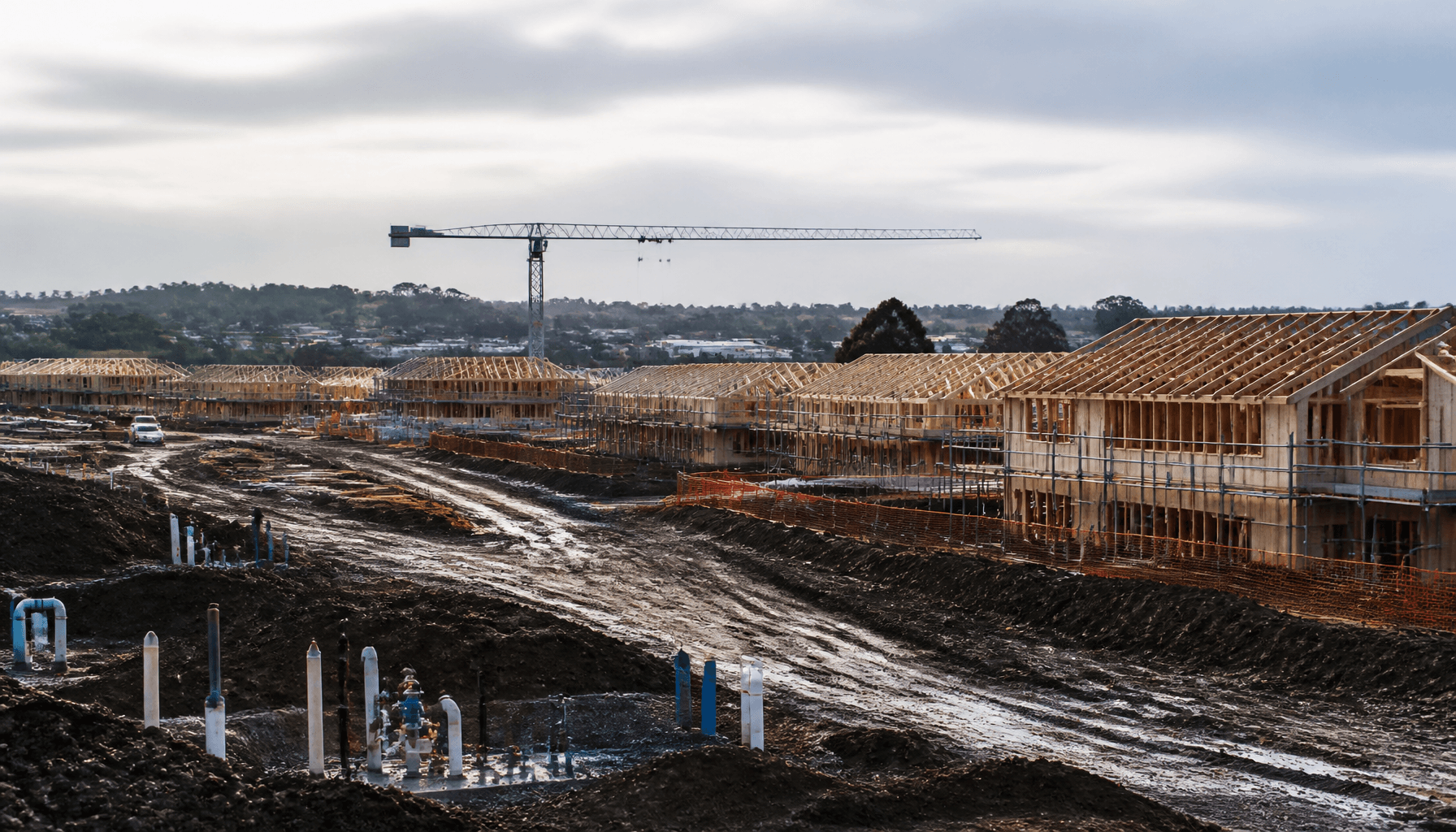
AI illustration of competing energy futures — the long-term strategy document scrapped in April 2026 leaves New Zealand's energy investment landscape without a durable framework to 2050.
The drivers
New Zealand's energy sector has long suffered from policy flip-flops that raise the cost of capital for investors. The previous Labour government spent millions developing a 30-year strategy, only for the coalition to halt the work after 2023. According to MBIE's Gas reserves decline to lowest level on record press release (14 May 2026), domestic gas reserves fell to 731 PJ by January 2026, down 23 percent in a single year.
This depletion stems from operator revisions rather than production alone. The Pohokura field alone saw a 129 PJ write-down, according to Argus Media's reporting on MBIE's annual petroleum reserves data. Production dropped to 91.9 PJ in 2025 — an 8.6 percent decrease from 2024, per the Gas Industry Company's Quarterly Report for December 2025 — and is forecast at just 85 PJ for 2026.
New Zealand natural gas production and reserves trajectory
Reserve write-downs have consistently exceeded annual production since 2024.
Source: MBIE Gas reserves press release, May 2026; Gas Industry Company Quarterly Report Dec 2025
The trade-offs
The October 2025 Energy Package, announced by Finance Minister Nicola Willis and Energy Minister Simon Watts under the title Securing New Zealand's energy future, delivers practical steps including LNG procurement and faster consenting. Yet it leaves investors without the cross-party 2050 framework that gentailers and manufacturers have demanded for years.
BusinessNZ has repeatedly warned that without predictable rules, billions in renewable and firming projects will be deferred. In its perspective paper on the Government's proposed Energy Strategy, the BusinessNZ Energy Council argued the sector required certainty across consenting, affordability, security and sustainability. The result of continued uncertainty, the council warned, is higher hedging costs passed on to households and industry.
BusinessNZ has repeatedly warned that without predictable rules, billions in renewable and firming projects will be deferred. The result is higher hedging costs passed on to households and industry.
The October 2025 package comprises two workstreams: investing in security of supply through formal LNG procurement — with a shortlist approved in February 2026 and a preferred provider targeted by mid-2026 — and building stronger markets through improved gas information, new dry-year rules, and strengthened Electricity Authority powers. A government fact sheet confirms the LNG facility is targeted for operation by 2027 or early 2028, with an estimated economic benefit of NZD 1.2 billion by 2035.
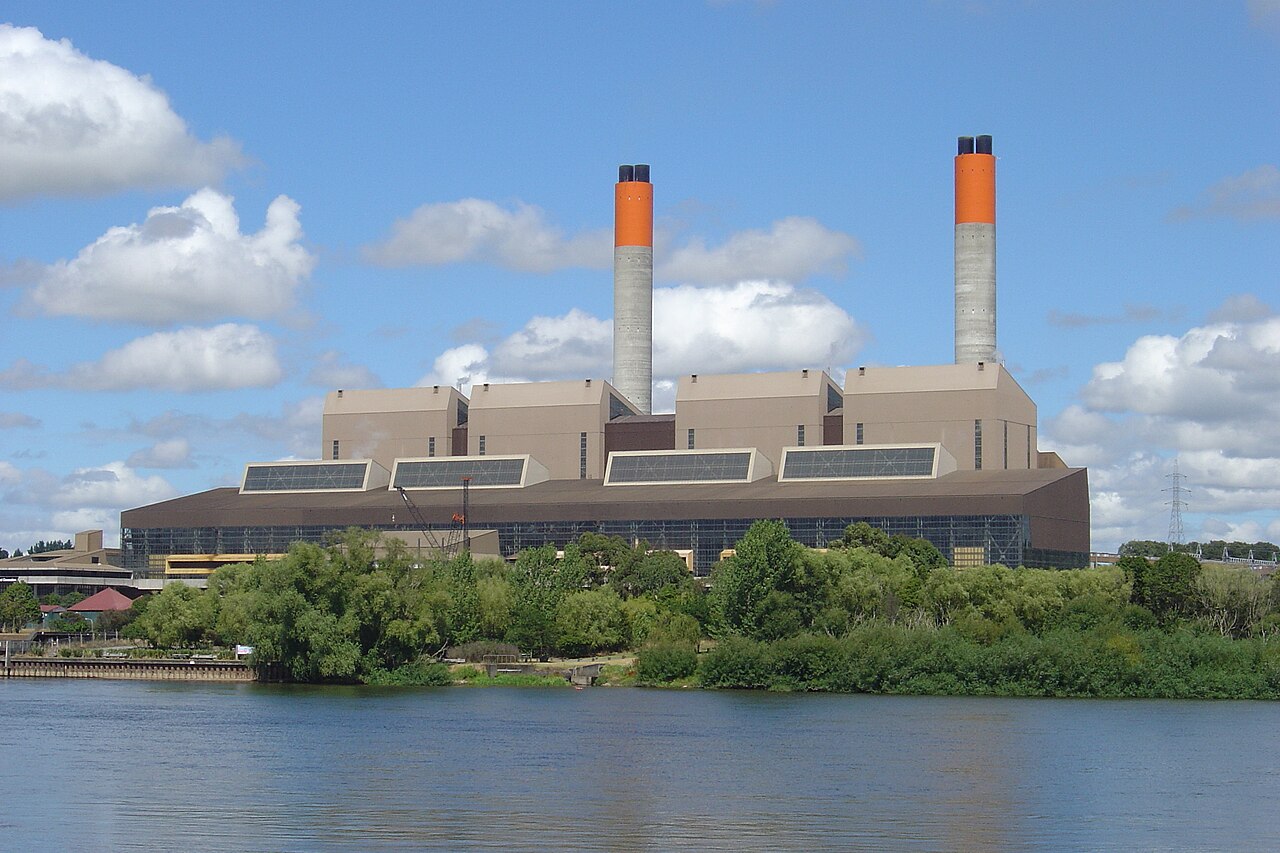
Huntly Power Station on the Waikato River — the Commerce Commission continues reviews of its strategic reserve authorisations as New Zealand's gas supply outlook deteriorates.
Second-order effects
Deferred final investment decisions on renewables will widen wholesale price volatility over the next 12 months. Energy cost pass-through adds pressure to inflation in transport and manufacturing while the Reserve Bank manages post-pandemic effects.
Over five years the infrastructure gap versus Australia risks deterring foreign direct investment in data centres and green hydrogen. Australia maintains multiple long-term energy frameworks including a Net Zero Plan with a 2035 target of 62–70 percent emissions reduction below 2005 levels, as well as state-level roadmaps — a contrast that investors in both markets will not miss.
Historical context
Earlier strategies in 2007 and 2011 set renewable targets but yielded to security interventions during supply scares. The 2011–2021 New Zealand Energy Strategy set a target of 90 percent renewable electricity by 2025. Each shift was followed by heightened price volatility and delayed private projects.
The current pivot to LNG and renewed exploration mirrors those earlier patterns. The IEA's 2023 Energy Policy Review of New Zealand had already flagged the absence of a long-term strategy, noting work was not due until end-2024 — a deadline that came and went without a final document.
The counter-argument
Officials argue the Energy Package allocates scarce resources to deliverable measures rather than another high-level document prior governments failed to implement. MBIE pages still list work on sub-strategies for wood energy and geothermal.
The evidence shows previous strategy work consumed $4.4 million from the Climate Emergency Response Fund with no final document delivered, according to OIA documents obtained by 350Aotearoa and published in August 2025. Luxon has also been pointed in his language about international critics: when the OECD's 2026 Economic Survey warned that the LNG import terminal risks locking in fossil fuel dependence, the Prime Minister described the findings as 'a load of rubbish', telling reporters he was 'not interested' in the OECD's conclusions.
Open questions
The exact operational date for any LNG terminal and its cost recovery mechanism remain unclear. The Commerce Commission continues reviews of Huntly reserve authorisations under the Electricity Authority's parallel market-performance process.
Gentailers including Meridian, Contact, Genesis and Mercury have not disclosed the scale of deferred capex. No analyst report or earnings call reviewed for this article contained a specific figure for investment decisions put on hold pending policy clarity.
Forward outlook
Voters will weigh these energy costs at the November election. Rapid population growth from high immigration has added to demand pressures, underscoring the need for pragmatic supply measures over bureaucratic waste on repeated strategy drafts.
What remains unresolved — and what the November ballot may force into sharper relief — is whether short-term supply fixes can substitute for the durable, cross-party investment framework that the sector, the IEA, and the OECD have each, in their own way, said New Zealand cannot afford to keep deferring.