Economic News
Subscribe →
HomeMonetary PolicyFiscalTradeRegulationBankingEconomic DataAbout
Vol. 02 · New Zealand
SATURDAY 06/06/2026
Iss. 2026 / 23
Economic News

Balanced. Independent. Informed.

Sections

  • Monetary Policy
  • Fiscal
  • Trade
  • Regulation
  • Banking
  • Economic Data

Subscribe

  • Free email
  • Email preferences
  • RSS feed

Company

  • About
  • Privacy policy

About

Economic News is an independent New Zealand publication covering monetary policy, markets, the public finances and the wider economy.

© 2026 Economic News Limited
.

Fibre Industry Valued at $926m Farm Gate — Economic News
Live
ECONOMIC NEWS NZECONOMIC NEWS NZECONOMIC NEWS NZECONOMIC NEWS NZECONOMIC NEWS NZECONOMIC NEWS NZECONOMIC NEWS NZECONOMIC NEWS NZECONOMIC NEWS NZECONOMIC NEWS NZECONOMIC NEWS NZECONOMIC NEWS NZECONOMIC NEWS NZECONOMIC NEWS NZECONOMIC NEWS NZECONOMIC NEWS NZECONOMIC NEWS NZECONOMIC NEWS NZECONOMIC NEWS NZECONOMIC NEWS NZECONOMIC NEWS NZECONOMIC NEWS NZECONOMIC NEWS NZECONOMIC NEWS NZECONOMIC NEWS NZECONOMIC NEWS NZECONOMIC NEWS NZECONOMIC NEWS NZECONOMIC NEWS NZECONOMIC NEWS NZECONOMIC NEWS NZECONOMIC NEWS NZECONOMIC NEWS NZECONOMIC NEWS NZECONOMIC NEWS NZECONOMIC NEWS NZECONOMIC NEWS NZECONOMIC NEWS NZECONOMIC NEWS NZECONOMIC NEWS NZECONOMIC NEWS NZECONOMIC NEWS NZECONOMIC NEWS NZECONOMIC NEWS NZECONOMIC NEWS NZECONOMIC NEWS NZECONOMIC NEWS NZECONOMIC NEWS NZECONOMIC NEWS NZECONOMIC NEWS NZECONOMIC NEWS NZECONOMIC NEWS NZECONOMIC NEWS NZECONOMIC NEWS NZECONOMIC NEWS NZECONOMIC NEWS NZECONOMIC NEWS NZECONOMIC NEWS NZECONOMIC NEWS NZECONOMIC NEWS NZECONOMIC NEWS NZECONOMIC NEWS NZECONOMIC NEWS NZECONOMIC NEWS NZECONOMIC NEWS NZECONOMIC NEWS NZECONOMIC NEWS NZECONOMIC NEWS NZECONOMIC NEWS NZECONOMIC NEWS NZECONOMIC NEWS NZECONOMIC NEWS NZ
FUTURE OF FIBRE · PRIMARY INDUSTRIES

Fibre Sector Farm-Gate Value Hits $926 Million Amid Import-Export Gap

New Zealand's integrated fibre industry reached more than $926 million at the farm gate in the first comprehensive assessment of wool, harakeke, hemp, hides, mohair and biomaterials.

Data Desk28/05/2026 · 13:50 NZT6 min read
Economic DataBreaking
DD
Data Desk
Economic Data Reporter · 28/05/2026 · 13:50 NZT · 6 min read
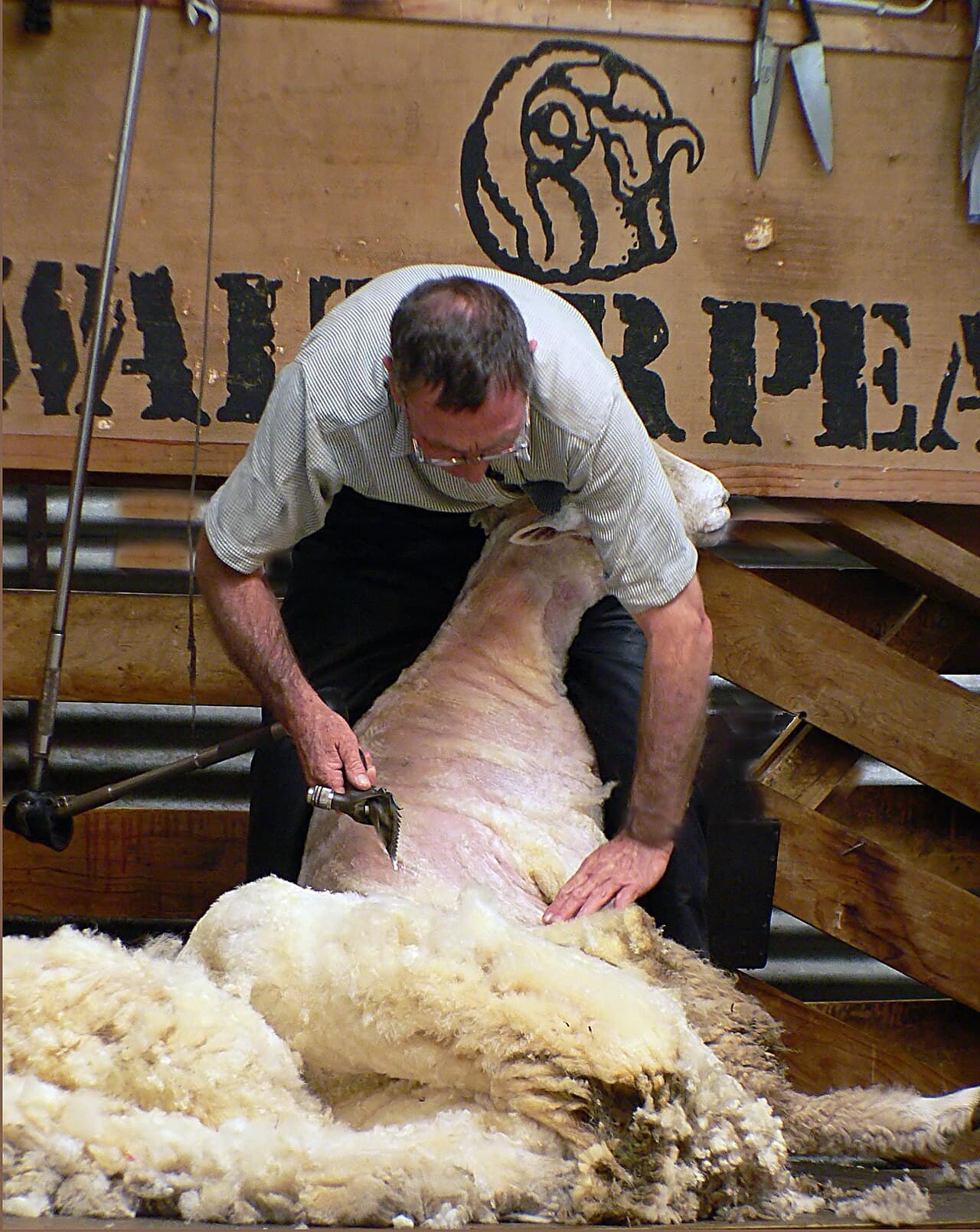
Sheep being shorn in a New Zealand shearing shed, with freshly cut fleece on the floor

At a glance

NZ's fibre sector is worth $926m at the farm gate, yet the country imports 116,000 tonnes of finished textiles a year while exporting just 11,000 tonnes.

Key stats

Farm-gate value
$926m
first-ever integrated sector figure
Raw fibre output
171,000t
per year
Wool export revenue
$549m
2024, incl. manufactured products
Sheep numbers
23.3m
June 2025, down from 70m peak
Annual fibre imports
116,000t
yarn, textiles & apparel
Fibre exports
11,000t
vs 93,000t manufactured domestically
Global wool rank
3rd
≈9% of world output
"It's about building the bridge between the incredible fibre that we produce and the customers that want premium values led, authentic, quality products. We know we can produce those as well, so how do we build the bridge?"Jacinta Fitzgerald, Chief Executive, Fashion & Textiles New Zealand

Sources cited

  • Report teases out hidden value in fibre — Farmers Weekly
  • Future of Fibre Aotearoa — Fashion & Textiles NZ
  • NZ Wool Industry Fact Sheet — Beehive.govt.nz
  • Agricultural production statistics: Year to June 2025 — Stats NZ
  • Mid-Season Update 2024-25 — Beef + Lamb New Zealand
  • Trends in natural and man-made fibres trade — UNCTAD

Free

New Zealand's economy, straight to your inbox.

By subscribing you accept our privacy policy.

More from economic data

Reserve Bank of New Zealand building on The Terrace, Wellington
Monetary Policy · 03/06/2026 · 12:02 NZT

Labour Market Resilience Tested by Oil Shock and Confidence Collapse

New Zealand's unemployment rate fell to 5.3 per cent in the March 2026 quarter, the first decline since December 2021. This points to pre-oil-shock momentum in the labour market. Yet the sharp drop in April consumer and business confidence, alongside Australia's proactive rate hike, signals transmission risks that could stall the recovery and prompt tighter policy later in the year.

Analysis Desk·03/06/2026 · 12:02 NZT·18 min
Empty Wellington government office with workstations and a blue-lit server room behind glass, late-afternoon light
Economic Data · 03/06/2026 · 07:38 NZT

Stats NZ Secures $57.7m for IDI Overhaul in Budget 2026

Budget 2026 allocates $57.7 million over four years to modernise Stats NZ’s Integrated Data Infrastructure after years of capacity shortfalls and outdated systems.

Data Desk·03/06/2026 · 07:38 NZT·6 min
Wellington government data analysts reviewing longitudinal charts on large monitors, totara timber panelling visible
Fiscal · 02/06/2026 · 12:59 NZT

Budget 2026 commits $57.7 million to modernise IDI for targeted social spending

The Government committed $57.7 million over four years in Budget 2026 to upgrade the Integrated Data Infrastructure.

Fiscal Desk·02/06/2026 · 12:59 NZT·7 min

All economic data →

New Zealand's integrated fibre industry reached more than $926 million at the farm gate in the first comprehensive assessment of wool, harakeke, hemp, hides, mohair and biomaterials.

The figure comes from research led by Fashion & Textiles New Zealand with funding from the Agricultural and Marketing Research and Development Trust. It forms early outputs from the Future of Fibre Aotearoa project.

The study treats the sector as a single ecosystem for the first time. A full Foundational Fibre Report is due in August 2026.

New Zealand produces about 171,000 tonnes of raw fibre each year. This volume equals roughly 6,600 fully loaded 40-foot shipping containers.

Wool at the core

Wool makes up the bulk of output. Annual wool production stands near 120,000 tonnes, with 80 to 90 percent classified as strong wool.

Export revenue from wool and wool products reached $549 million in 2024. New Zealand ranks as the world's third-largest wool producer and accounts for about 9 percent of global output.

Sheep numbers fell to 23.3 million by June 2025. This marks a sharp decline from peaks near 70 million in the early 1980s.

The value-chain gap

The research highlights a clear value-chain leakage. New Zealand imports approximately 116,000 tonnes of yarn, textiles and apparel annually. Domestic manufacturing totals about 93,000 tonnes, yet exports reach only 11,000 tonnes.

NZ fibre sector: production, imports and exports by volume
The gap between imports (116,000t) and exports (11,000t) illustrates the value-chain leakage the Future of Fibre Aotearoa project aims to address.
Source: Fashion & Textiles New Zealand / Future of Fibre Aotearoa research, May 2026

A kilogram of greasy wool worth $2 at the farm gate rises to about $8.50 per kilogram once processed into a garment, according to the research. Retail value reaches $37 per kilogram.

"It's about building the bridge between the incredible fibre that we produce and the customers that want premium values led, authentic, quality products. We know we can produce those as well, so how do we build the bridge?" — Jacinta Fitzgerald, Chief Executive, Fashion & Textiles New Zealand

Jacinta Fitzgerald, chief executive of Fashion & Textiles New Zealand, said the goal is to connect raw production with premium demand.

Sector alignment and outlook

AGMARDT general manager Lee-Ann Marsh noted the review provides a foundation for sector growth. It aligns with goals for a regenerating environment and resilient food-and-fibre supply chains.

Applications for strong wool now extend beyond apparel into interiors, technical textiles, acoustic materials and biomaterials.

The August report will outline pathways for higher-value domestic processing. This could reduce reliance on raw exports and support regional economies in Southland, Otago, Canterbury, Hawke's Bay and Gisborne.

Government priorities include value-add in the primary sector and circular economy principles. The baseline figure allows future measurement of progress.