Hormuz Closure Turns Supply Chain Disruptions Into Multi-Year Cost Burden for New Zealand Exporters
Kotahi's 4,000 TEU of dairy, meat and horticulture cargo stranded by the Strait of Hormuz closure shows how New Zealand's geography converts geopolitical shocks into sustained higher costs for primary exporters.
New Zealand rural confidence stayed positive for a ninth straight quarter in August 2026, with horticulturalists overtaking sheep and beef as the most optimistic sector while investment plans stayed soft.
Parliament passed the India Free Trade Agreement legislation 93–29 on 16 September 2026. Preferential tariffs await mutual ratification, with Indian officials pointing to mid-to-late October entry into force.
Electric vehicles on New Zealand roads have avoided about $90 million in oil-product imports since the start of 2024, a Newsroom analysis estimates, as Stats NZ reported fuel led the rise in merchandise imports in the year to July 2026.
Kotahi's 4,000 TEU of dairy, meat and horticulture cargo stranded by the Strait of Hormuz closure shows how New Zealand's geography converts geopolitical shocks into sustained higher costs for primary exporters.
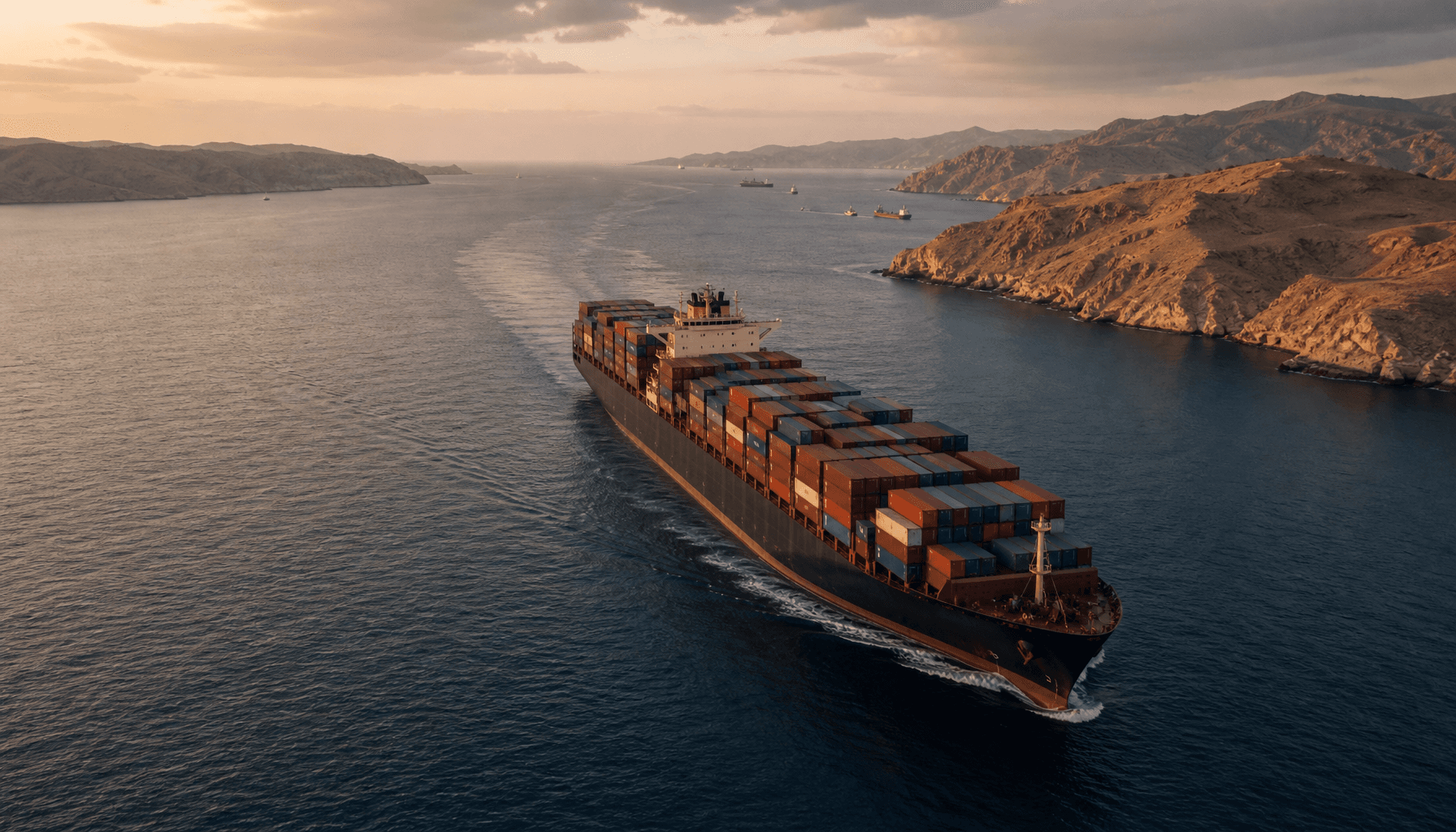
New Zealand exporters confront prolonged instability after the effective closure of the Strait of Hormuz. Kotahi, the joint venture of Fonterra and Silver Fern Farms, held approximately 4,000 TEU of cargo in transit on affected lanes as of early March 2026. This volume included dairy, meat and horticulture shipments.
The episode follows earlier Red Sea rerouting that began in late 2023. Major carriers suspended services through the Gulf. Traffic through the Strait fell 70 to 80 percent.
Stats NZ data shows total goods exports rose 12 percent year on year to $8.6 billion in April 2026. Meat exports increased 26 percent to $1.3 billion. Dairy exports rose 7 percent to $2.3 billion. Headline growth masks rising logistics expenses that erode farmgate margins.
NZ Goods Export Growth by Category, April 2026 vs April 2025
Source: Stats NZ, Overseas Merchandise Trade: April 2026
The Drivers Behind Prolonged Instability
Geopolitics, industrial policy, the energy transition and technological change have rewired global value chains. The World Economic Forum Global Value Chains Outlook 2026 documents this shift from rigid cost-focused systems to adaptive networks. Persistent tariff swings and capacity constraints embed disruption as a structural feature.
New Zealand sends 99 percent of its trade by sea. The country accounts for only 4 percent of global container capacity and lies far from main east-west routes. The Productivity Commission notes this position leaves industries materially exposed with limited ability to influence global networks.
Energy price transmission adds pressure. Brent crude rose 10 to 13 percent initially. Analysts forecast $100 to $130 per barrel if disruptions continue. Higher fuel and fertiliser costs hit horticulture, fishing and forestry directly.
Trade-offs in Corporate and Policy Responses
Large businesses already diversify suppliers, regionalise production and shorten chains. These steps raise unit costs compared with pure scale efficiencies. Inventory buffers tie up working capital and increase financing needs from banks.
Port and rail redundancy requires fiscal allocation. Utilisation remains uncertain and carries risks of government waste on underused infrastructure. Regulatory resilience mandates add compliance overhead for carriers and ports.
Rerouting around the Cape of Good Hope adds 10 to 20 days to voyages. Freight rates on Middle East lanes rose 30 to 31 percent since late February 2026. Secondary effects include congestion at alternative ports and reduced effective global container capacity.
Second-Order Effects on Primary Sector and Inflation
Fuel and input cost spikes compress margins in dairy, meat and horticulture. The RBNZ Financial Stability Report May 2026 flags immediate impacts on transport, chemical manufacturing and primary sectors. Banks report increased requests for working-capital credit limits.
Chilled meat exports to the Middle East, valued at $166 million in the prior year, face spoilage risks and lost quota windows. Energy pass-through lifts imported inflation and domestic CPI.
RBNZ faces sustained pressure on inflation expectations. Terms of trade may erode if frequent disruptions persist. Productivity Commission analyses warn of lost global connections under a just-in-time export model.
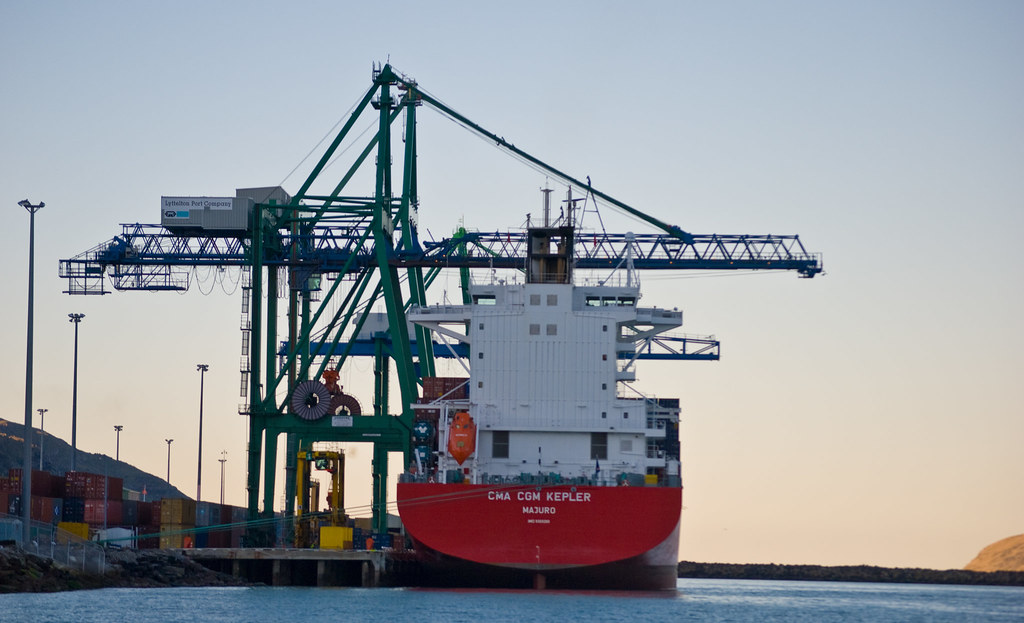
Lyttelton Port, one of New Zealand's key export gateways, faces downstream congestion risks if Gulf access remains restricted and Cape rerouting persists.
Historical Context Shows Recurring Risks
The 2021 Ever Given blockage of the Suez Canal delayed New Zealand-bound goods and illustrated contagion effects on a small remote economy. Red Sea surcharges in 2024 already forced some exporters to charter smaller vessels.
The 1970s oil shocks provide a benchmark for the scale of energy and fertiliser supply interruptions. Current rerouting pressures mirror those episodes but occur against higher baseline freight rates.
Counter-Argument and Evidence of Resilience
Stats NZ April 2026 export figures demonstrate headline resilience. Partial Cape rerouting and air-freight contingencies preserved volumes. Silver Fern Farms previously air-freighted 90 tonnes of lamb during earlier Middle East disruptions.
These adaptations show businesses respond faster than governments. Yet higher costs still flow through to margins and prices. The evidence supports a structural rather than temporary shift.
Open Questions on Duration and Productivity
How long before sustained security guarantees allow Suez normalisation? What net productivity impact follows from AI-enabled adaptive networks versus added inventory holdings? Fiscal cost-benefit assessments of port redundancy investments remain incomplete.
Resilience Playbook and Medium-Term Implications
New Zealand should prioritise market-led diversification over expanded government programs. Port redundancy and bilateral pacts with partners such as Singapore offer targeted buffers. Inventory holdings and multi-tier sourcing reduce reliance on single chokepoints.
These steps carry upfront costs but limit exposure to repeated shocks. Medium-term productivity depends on avoiding regulatory burdens that raise compliance expenses without clear returns. RBNZ monitoring of primary-sector credit demand will reveal second-round effects through 2027.