Inland Revenue Lodges Liquidation Bids Against Olympian-Linked Parnell Firms
Inland Revenue has applied to liquidate three Auckland companies tied to Olympic decathlete Brent Newdick’s former Parnell hospitality venues amid a sharp rise in sector insolvencies.
NZ First has proposed a 50% accelerated depreciation allowance in the first year for new plant, machinery and equipment in manufacturing and select export sectors including mining, aquaculture, forestry, farming and fishing.
The Treasury published the Digital, Equipment and Change Assurance Framework on 23 October 2026. The guide operationalises Cabinet's April 2026 decision to improve assurance over high-risk data, digital, equipment and organisational change investments.
The New Zealand Treasury published the Investment Decision Assurance Policy on 13 October 2026. The framework consolidates the Gateway reviews and Te Waihanga's Infrastructure Priorities Programme into one investor-focused process effective 1 November 2026.
Inland Revenue has applied to liquidate three Auckland companies tied to Olympic decathlete Brent Newdick's former Parnell hospitality venues amid a sharp rise in sector insolvencies.
Newdick — who represented New Zealand at the 2012 London Olympics and won silver in the decathlon at the 2010 Commonwealth Games — owns Aperitivo cafe and barber shop on Parnell Rise and co-founded the neighbouring Va Bene restaurant. Both venues are now shuttered. Newdick and representatives of the three companies did not respond to requests for comment.
IRD Targets Tax Debts in Hospitality Sector
Inland Revenue lodged liquidation applications against Aperitivo Limited, Bene Limited and Parnell Ventures on or before 22 July 2026. The companies operated the shuttered Va Bene restaurant and Aperitivo cafe and barber shop on Parnell Rise.
The action is part of a broader IRD enforcement push on unpaid business debts in the sector. Analysis by The Spinoff in June 2026 documented multiple IRD-initiated liquidation cases in hospitality that year, including proceedings against Kihon Ltd over nearly $2 million in outstanding tax.
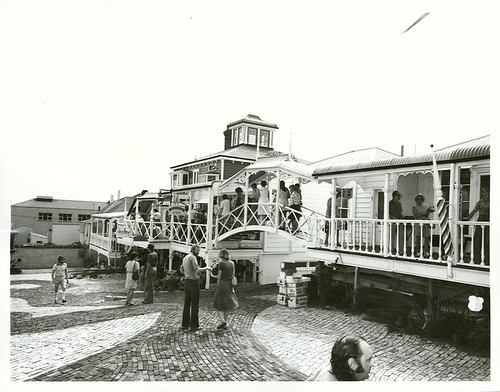
Parnell Village, Auckland — the hospitality precinct where Brent Newdick's Va Bene restaurant and Aperitivo cafe and barber shop operated on Parnell Rise before Inland Revenue lodged liquidation applications against the owning companies.
Centrix data show hospitality liquidations rose 49 to 51 percent year on year. The May 2026 Credit Indicator Report recorded 414 Accommodation & Food Services liquidations in the prior 12 months, up from 268 the year before.
Companies Office figures recorded 710 liquidator appointments in the first quarter of 2026, a 4.9 percent increase on the same period in 2025. March 2026 marked the worst monthly total for company liquidations in 11 years.
Hospitality Liquidations Year-on-Year
Accommodation & Food Services sector saw the highest failure rate among major industries.
Source: Centrix Credit Indicator Reports
Budget Austerity and Rising Costs Compound Sector Stress
The surge occurs against the backdrop of the 2026 Budget, which avoided stimulatory measures and prioritised debt restraint. Hospitality operators face rising costs for rent, rates, power, wages and produce while household spending shifts to essentials.
Centrix reports note mortgage stress on small-business owners who often rely on home equity. Mortgage arrears fell to 1.29 percent by April 2026, showing improvement in household credit metrics.
Hospitality New Zealand has highlighted stretched household budgets and reduced net migration as factors suppressing dining-out expenditure. The sector operates on thin margins with limited buffers for cost inflation.
OECD analysis in its 2026 Economic Survey of New Zealand points to longer-term fiscal pressures from population ageing that could push public debt higher without reforms.
Outlook: Confidence, Employment and Tax Collections at Risk
Over the next six to twelve months, sustained liquidation rates may affect small-business confidence, employment in Auckland's Parnell precinct and GST revenue collections. IRD's statutory recovery actions occur alongside broader economic signals of uneven post-recession resilience between households and enterprises.