Jukes Carriers fined $420,000 over Gisborne worker death
M.E. Jukes & Son Ltd, trading as Jukes Carriers, was ordered to pay a $420,000 fine, $140,000 in reparation and $10,000 in costs after a worker died in a waste shredder at its Gisborne premises.
Auckland’s potential $5 billion Fast-track infrastructure exposure and 16,270 wrongly suspended Winter Energy Payments have become the first real-world stress tests of the Regulatory Standards Act 2025.
Cabinet’s Economic Policy Committee has formally authorised public consultation on a prudential levy to shift Reserve Bank supervision costs onto banks, insurers and market infrastructure operators from 2027/28.
Cabinet has agreed in principle to three shifts in public performance reporting sought by the Finance and Expenditure Committee, while parking detailed design and costings until 2027.
M.E. Jukes & Son Ltd, trading as Jukes Carriers, was ordered to pay a $420,000 fine, $140,000 in reparation and $10,000 in costs after a worker died in a waste shredder at its Gisborne premises.
The Gisborne District Court imposed the penalties in May 2026 following a guilty verdict under the Health and Safety at Work Act 2015.
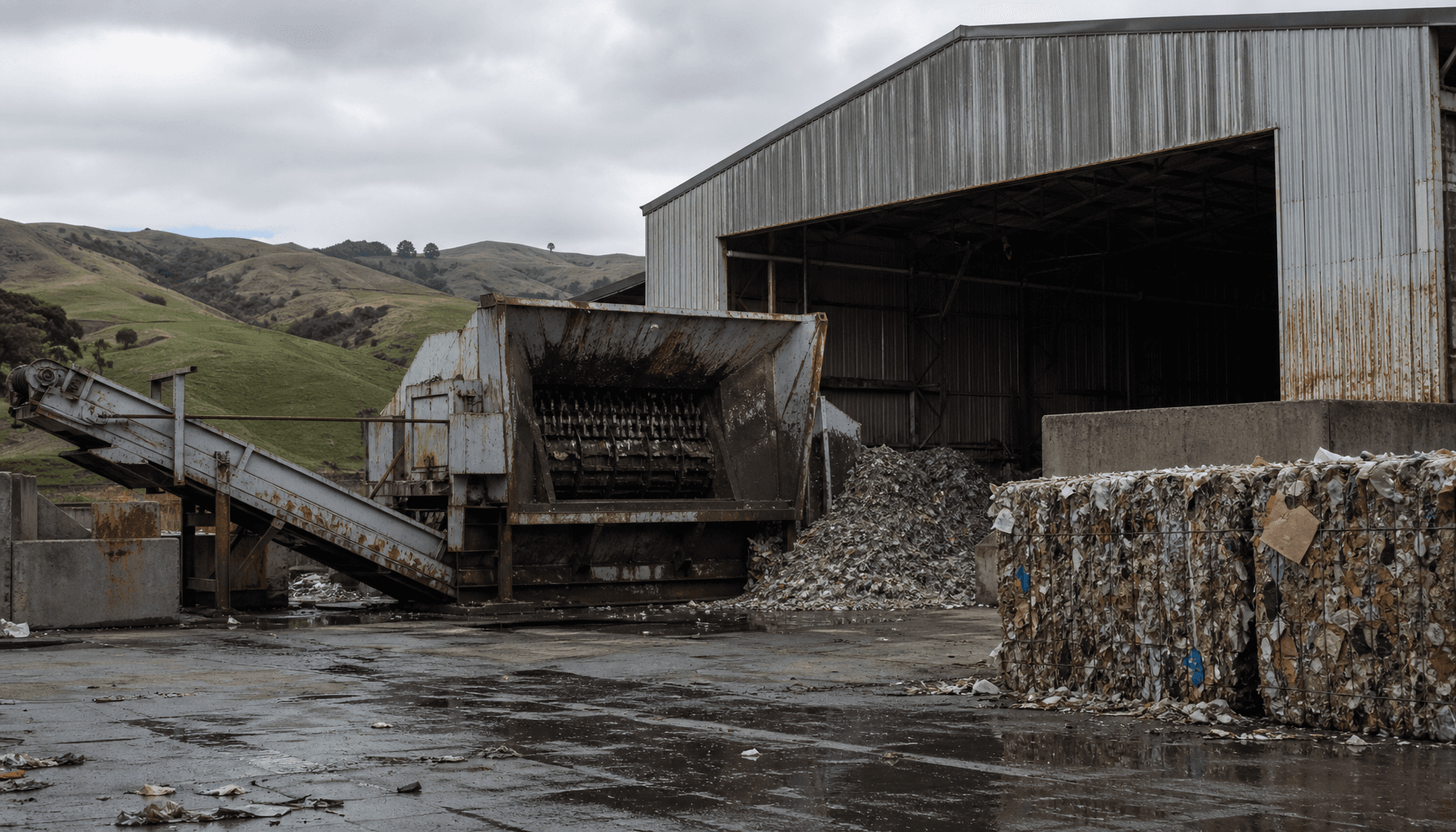
Maurice Dooling, 47, became trapped in an industrial waste shredder at the company's Stanley Road site on 13 April 2022. The exact circumstances of his entry into the operating machine remain unknown. WorkSafe New Zealand prosecuted the company for failing its primary duty of care.
Judge Warren Cathcart delivered a reserved decision in December 2025 after a judge-alone trial that began in June 2025. A 43-page judgment was released in March 2026. The judge set a starting fine of $600,000, describing the company's culpability as at the very top end of the medium band.
Mitigating factors included the company's cooperation with investigators, remorse expressed by owner Trevor Jukes, and his standing in the Gisborne community. These reduced the fine to $420,000. Payment is due half within 28 days and the balance over 12 months.
A watershed moment for machine safety
WorkSafe central regional manager Nigel Formosa called the case a watershed moment for machine safety. He stated that Maurice Dooling did nothing wrong and the court found that the company failed him. Formosa added that businesses cannot rely on training and procedures alone when workers operate dangerous machinery.
“Maurice Dooling did nothing wrong, and the court found that the company failed him.” — Nigel Formosa, WorkSafe central regional manager
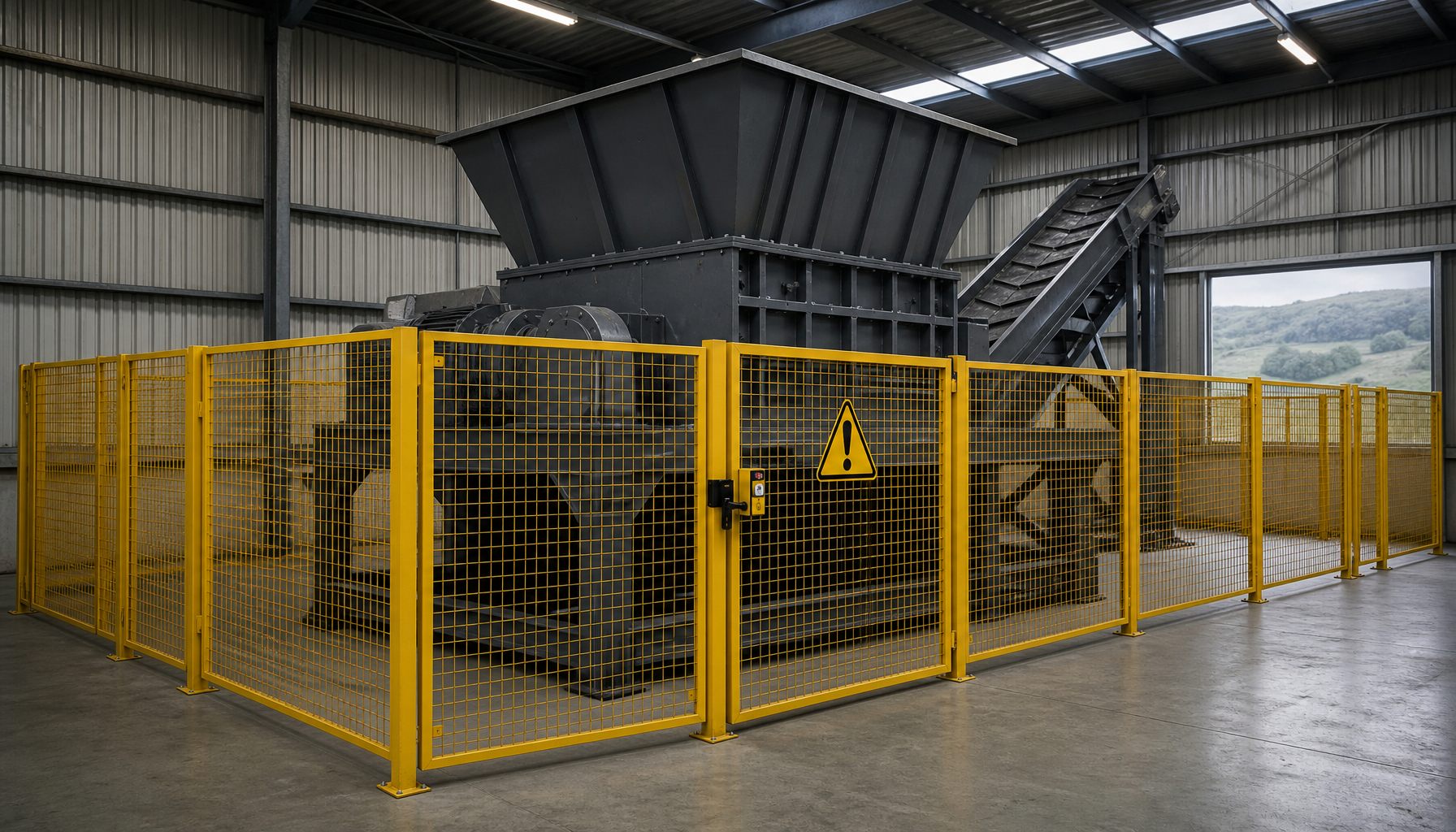
The judge accepted that a perimeter guard with interlocked access, costing an estimated $10,000 to $20,000 plus GST, would have automatically shut down the shredder and minimised the hazard. Formosa noted there was no good reason not to install the straightforward and affordable fix.
AI illustration of an industrial shredder with an interlocked perimeter guard — the type of engineering control a Gisborne District Court found would have cost as little as $10,000 and could have prevented Maurice Dooling’s death.
Defence counsel Edwin Boshier and Daniel Robinson of Duncan Cotterill stated on behalf of the company and Mr Jukes: “Neither we, Mr Jukes, nor the defendant company have anything further to add at this time.”
The scale of workplace fatalities in New Zealand
WorkSafe data shows 70 work-related fatalities notified in the 2024 calendar year. A 2021 study by Lilley et al., published in the Injury Prevention journal, recorded 955 worker fatal injuries in New Zealand from 2005 to 2014, at a rate of 4.8 per 100,000 worker-years. According to WorkSafe’s Strategic Plan for Work-Related Health 2016 to 2026, between 50 and 80 traumatic work-related deaths occur annually, with an additional 600 to 900 deaths from work-related diseases.
In a comparable 2023 case, Affco New Zealand Limited received a total fine of $502,500 following a fatal accident, according to analysis published in the NZ Journal of Health and Safety Practice. The Health and Safety at Work Act provides maximum penalties for corporates of $500,000, $1.5 million or $3 million depending on the culpability tier.
What operators should do now
WorkSafe maintains guidelines on the safe use of machinery that emphasise the hierarchy of controls, with engineering solutions preferred over administrative measures. The regulator advised businesses operating similar plant to check guarding and seek advice if unsure.
The case illustrates WorkSafe’s willingness to pursue contested prosecutions to verdict and secure substantial penalties in the waste, recycling and transport sectors. It sends a clear signal on compliance expectations for operators of industrial machinery.