Economic News
Subscribe →
HomeMonetary PolicyFiscalTradeRegulationBankingEconomic DataAbout
Vol. 02 · New Zealand
MONDAY 12/10/2026
Iss. 2026 / 42
Economic News

Balanced. Independent. Informed.

Sections

  • Monetary Policy
  • Fiscal
  • Trade
  • Regulation
  • Banking
  • Economic Data

Subscribe

  • Free email
  • Email preferences
  • RSS feed

Company

  • About
  • Privacy policy

About

Economic News is an independent New Zealand publication covering monetary policy, markets, the public finances and the wider economy.

© 2026 Economic News Limited
.

Live
Taranaki Energy Policy Whiplash Raises Crown Fiscal Exposure and Regional RisksMid-January Tax Deadline Creates Cashflow Strain for NZ BusinessesTaranaki Energy Policy Whiplash Raises Crown Fiscal Exposure and Regional RisksMid-January Tax Deadline Creates Cashflow Strain for NZ BusinessesTaranaki Energy Policy Whiplash Raises Crown Fiscal Exposure and Regional RisksMid-January Tax Deadline Creates Cashflow Strain for NZ BusinessesTaranaki Energy Policy Whiplash Raises Crown Fiscal Exposure and Regional RisksMid-January Tax Deadline Creates Cashflow Strain for NZ BusinessesTaranaki Energy Policy Whiplash Raises Crown Fiscal Exposure and Regional RisksMid-January Tax Deadline Creates Cashflow Strain for NZ BusinessesTaranaki Energy Policy Whiplash Raises Crown Fiscal Exposure and Regional RisksMid-January Tax Deadline Creates Cashflow Strain for NZ BusinessesTaranaki Energy Policy Whiplash Raises Crown Fiscal Exposure and Regional RisksMid-January Tax Deadline Creates Cashflow Strain for NZ BusinessesTaranaki Energy Policy Whiplash Raises Crown Fiscal Exposure and Regional RisksMid-January Tax Deadline Creates Cashflow Strain for NZ BusinessesTaranaki Energy Policy Whiplash Raises Crown Fiscal Exposure and Regional RisksMid-January Tax Deadline Creates Cashflow Strain for NZ BusinessesTaranaki Energy Policy Whiplash Raises Crown Fiscal Exposure and Regional RisksMid-January Tax Deadline Creates Cashflow Strain for NZ BusinessesTaranaki Energy Policy Whiplash Raises Crown Fiscal Exposure and Regional RisksMid-January Tax Deadline Creates Cashflow Strain for NZ BusinessesTaranaki Energy Policy Whiplash Raises Crown Fiscal Exposure and Regional RisksMid-January Tax Deadline Creates Cashflow Strain for NZ BusinessesTaranaki Energy Policy Whiplash Raises Crown Fiscal Exposure and Regional RisksMid-January Tax Deadline Creates Cashflow Strain for NZ BusinessesTaranaki Energy Policy Whiplash Raises Crown Fiscal Exposure and Regional RisksMid-January Tax Deadline Creates Cashflow Strain for NZ BusinessesTaranaki Energy Policy Whiplash Raises Crown Fiscal Exposure and Regional RisksMid-January Tax Deadline Creates Cashflow Strain for NZ BusinessesTaranaki Energy Policy Whiplash Raises Crown Fiscal Exposure and Regional RisksMid-January Tax Deadline Creates Cashflow Strain for NZ BusinessesTaranaki Energy Policy Whiplash Raises Crown Fiscal Exposure and Regional RisksMid-January Tax Deadline Creates Cashflow Strain for NZ BusinessesTaranaki Energy Policy Whiplash Raises Crown Fiscal Exposure and Regional RisksMid-January Tax Deadline Creates Cashflow Strain for NZ BusinessesTaranaki Energy Policy Whiplash Raises Crown Fiscal Exposure and Regional RisksMid-January Tax Deadline Creates Cashflow Strain for NZ BusinessesTaranaki Energy Policy Whiplash Raises Crown Fiscal Exposure and Regional RisksMid-January Tax Deadline Creates Cashflow Strain for NZ BusinessesTaranaki Energy Policy Whiplash Raises Crown Fiscal Exposure and Regional RisksMid-January Tax Deadline Creates Cashflow Strain for NZ BusinessesTaranaki Energy Policy Whiplash Raises Crown Fiscal Exposure and Regional RisksMid-January Tax Deadline Creates Cashflow Strain for NZ BusinessesTaranaki Energy Policy Whiplash Raises Crown Fiscal Exposure and Regional RisksMid-January Tax Deadline Creates Cashflow Strain for NZ BusinessesTaranaki Energy Policy Whiplash Raises Crown Fiscal Exposure and Regional RisksMid-January Tax Deadline Creates Cashflow Strain for NZ BusinessesTaranaki Energy Policy Whiplash Raises Crown Fiscal Exposure and Regional RisksMid-January Tax Deadline Creates Cashflow Strain for NZ BusinessesTaranaki Energy Policy Whiplash Raises Crown Fiscal Exposure and Regional RisksMid-January Tax Deadline Creates Cashflow Strain for NZ BusinessesTaranaki Energy Policy Whiplash Raises Crown Fiscal Exposure and Regional RisksMid-January Tax Deadline Creates Cashflow Strain for NZ BusinessesTaranaki Energy Policy Whiplash Raises Crown Fiscal Exposure and Regional RisksMid-January Tax Deadline Creates Cashflow Strain for NZ BusinessesTaranaki Energy Policy Whiplash Raises Crown Fiscal Exposure and Regional RisksMid-January Tax Deadline Creates Cashflow Strain for NZ BusinessesTaranaki Energy Policy Whiplash Raises Crown Fiscal Exposure and Regional RisksMid-January Tax Deadline Creates Cashflow Strain for NZ BusinessesTaranaki Energy Policy Whiplash Raises Crown Fiscal Exposure and Regional RisksMid-January Tax Deadline Creates Cashflow Strain for NZ BusinessesTaranaki Energy Policy Whiplash Raises Crown Fiscal Exposure and Regional RisksMid-January Tax Deadline Creates Cashflow Strain for NZ BusinessesTaranaki Energy Policy Whiplash Raises Crown Fiscal Exposure and Regional RisksMid-January Tax Deadline Creates Cashflow Strain for NZ BusinessesTaranaki Energy Policy Whiplash Raises Crown Fiscal Exposure and Regional RisksMid-January Tax Deadline Creates Cashflow Strain for NZ BusinessesTaranaki Energy Policy Whiplash Raises Crown Fiscal Exposure and Regional RisksMid-January Tax Deadline Creates Cashflow Strain for NZ BusinessesTaranaki Energy Policy Whiplash Raises Crown Fiscal Exposure and Regional RisksMid-January Tax Deadline Creates Cashflow Strain for NZ Businesses
FAST-TRACK APPROVALS · RENEWABLE ENERGY

Kaimai Hydro Scheme Gains Fast-Track Consent as 23rd Project

The Kaimai Hydro-Electric Power Scheme received Fast-track approval on 15 May 2026, the 23rd project cleared under the Fast-track Approvals Act 2024.

Regulation Desk15/05/2026 · 15:55 NZT7 min read
RegulationBreaking
RD
Regulation Desk
Regulation and Markets Conduct Reporter · 15/05/2026 · 15:55 NZT · 7 min read
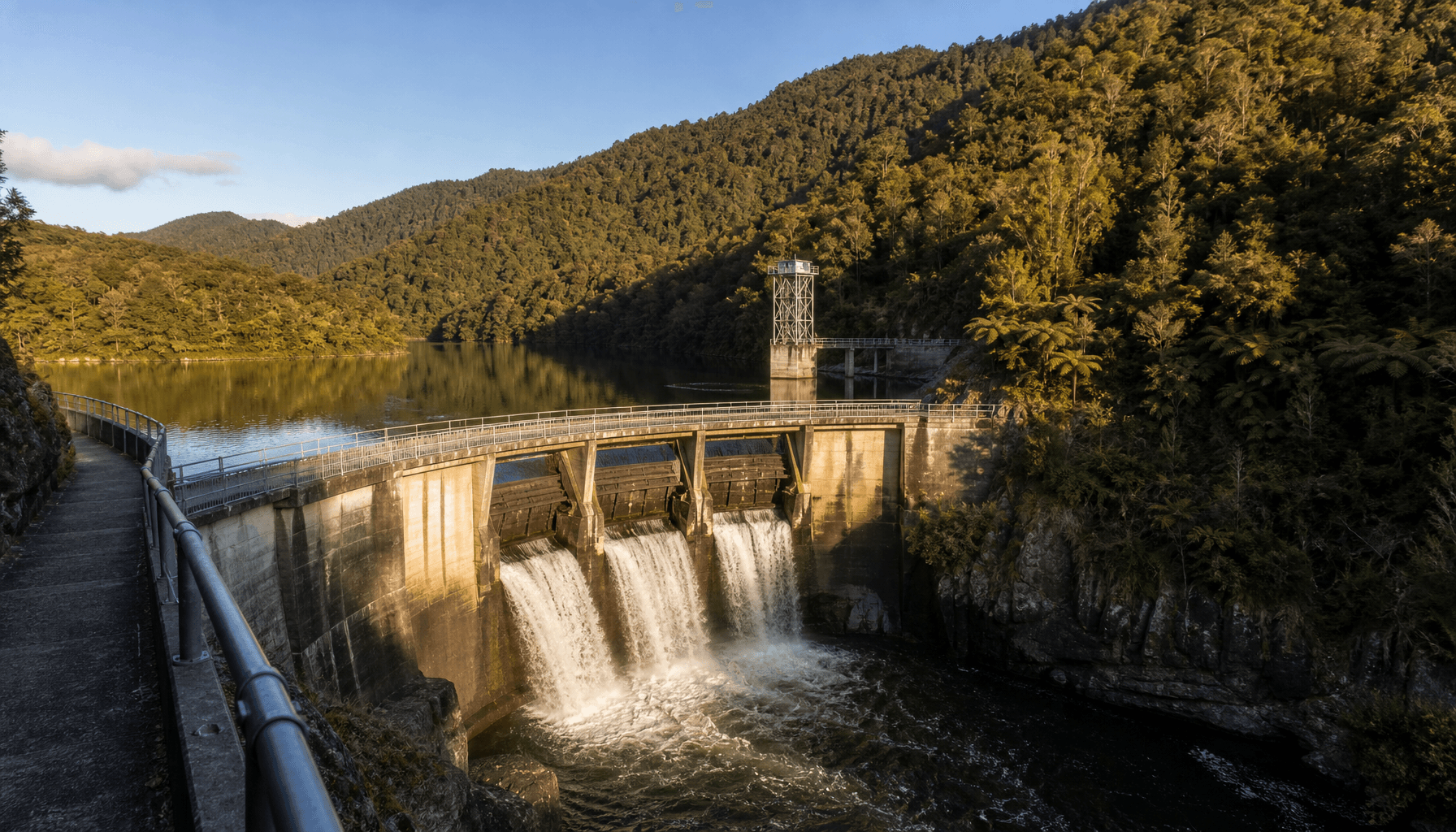
Kaimai Ranges hydro dam spillway and reservoir surrounded by native New Zealand forest

At a glance

Kaimai's fast-tracked re-consent secures 169 GWh of annual Bay of Plenty hydro output, as the streamlined regime hits 23 approvals at an average of 118 working days.

Key stats

Panel Approvals
23
under Fast-track Act 2024
Avg Decision Time
118 days
working days from completeness
Annual Output
169 GWh
Kaimai scheme
Households Powered
~24,600
equivalent annual needs
Tauranga Supply
32%
share of city demand
CO₂ Avoided
26,693 t
per year vs fossil alternatives
Renewable Share
96.4%
Q4 2025 NZ generation

Sources cited

  • Kaimai Power Scheme — Manawa Energy
  • Favourable hydro conditions see record high share of electricity generation from renewables — MBIE
  • Energy in New Zealand 2025 — MBIE
  • Fast-track Approvals Act — Environment.govt.nz

Free

New Zealand's economy, straight to your inbox.

By subscribing you accept our privacy policy.

More from regulation

Port Taranaki wharf and industrial infrastructure at dawn with Mount Taranaki in the distance
Fiscal · 12/10/2026 · 06:08 NZT

Taranaki Energy Policy Whiplash Raises Crown Fiscal Exposure and Regional Risks

New Zealand's repeated swings between banning and reviving offshore oil and gas exploration have left Taranaki with falling gas reserves, an industrial exit, and new taxpayer commitments through the Gas Security Fund.

Analysis Desk·12/10/2026 · 06:08 NZT·18 min
Quiet New Zealand shopfront in early January with an employee reviewing paperwork near the till
Fiscal · 12/10/2026 · 06:05 NZT

Mid-January Tax Deadline Creates Cashflow Strain for NZ Businesses

Seventy-seven percent of accountants in a recent survey flagged the 15 January deadline for provisional tax and GST payments as particularly challenging for clients.

Fiscal Desk·12/10/2026 · 06:05 NZT·6 min
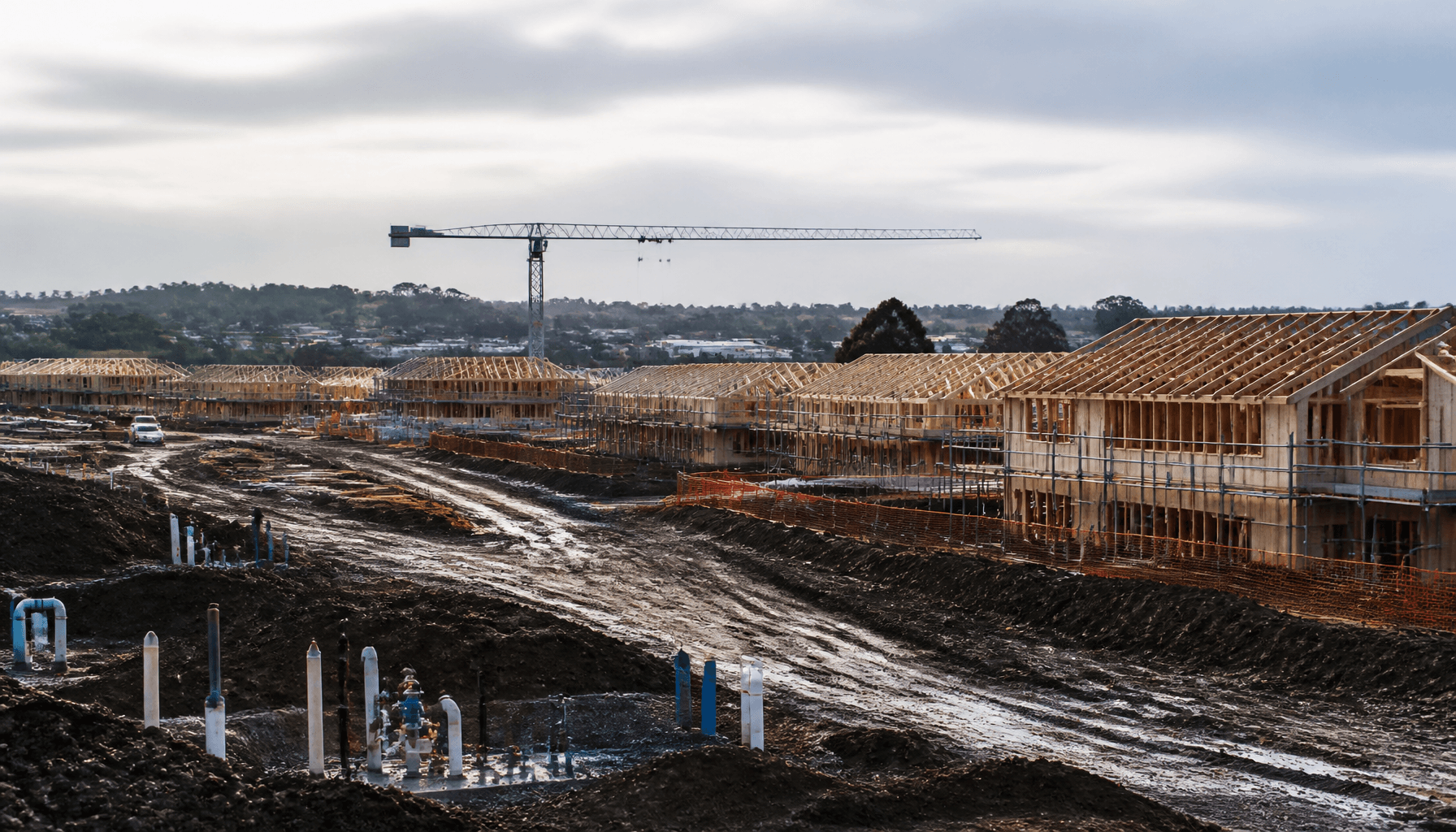
Auckland fringe housing development with unfinished roads and water infrastructure under grey morning sky
Regulation · 21/09/2026 · 05:38 NZT

Fast-track $5bn gap and WEP errors put Regulatory Standards Act to early test

Auckland’s potential $5 billion Fast-track infrastructure exposure and 16,270 wrongly suspended Winter Energy Payments have become the first real-world stress tests of the Regulatory Standards Act 2025.

Regulation Desk·21/09/2026 · 05:38 NZT·7 min

All regulation →

The Kaimai Hydro-Electric Power Scheme received Fast-track approval on 15 May 2026, the 23rd project cleared under the Fast-track Approvals Act 2024. Infrastructure Minister Chris Bishop and Regional Development Minister Shane Jones announced the decision. The project allows Manawa Energy Limited to continue operating the existing scheme in the Bay of Plenty.

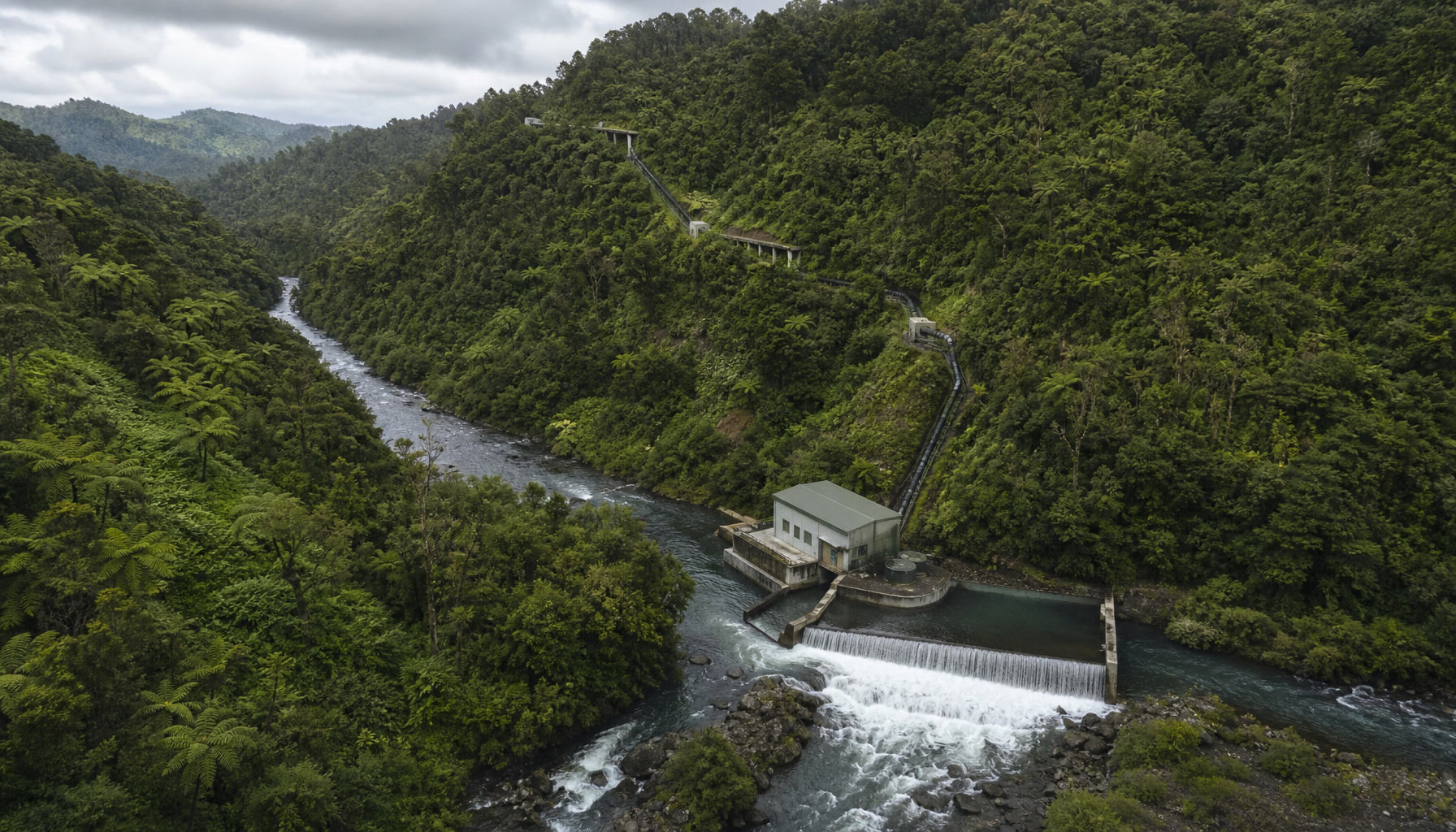
Illustration: A run-of-river hydro scheme of the type operated by Manawa Energy in the Kaimai Range, where four stations generate an average 169 GWh of electricity annually for the Bay of Plenty. · Generated illustration · EconomicNews.nz

The approval took five and a half months from when the independent expert panel started work. This matches the average 118 working days for substantive Fast-track decisions once applications are complete.

Regime throughput

Fast-track statistics show strong throughput. Twenty-three projects have panel approvals. Sixteen have panels appointed. Forty-six remain in active processing.

Fast-track Approvals Act 2024 — pipeline status as at mid-May 2026
StatusProjects
Panel approvals granted23
Expert panels appointed16
Active substantive applications25
Referral applications progressing21
Ministerial referrals accepted47
Schedule 2 pre-listed projects149
Source: Beehive.govt.nz, 15 May 2026

Local impact: 24,600 homes, 32% of Tauranga demand

The Kaimai scheme generates an average 169 GWh of electricity per year. This meets the annual needs of about 24,600 households and supplies 32 per cent of Tauranga demand.

Continued operation avoids an estimated 26,693 tonnes of CO₂ emissions each year compared with fossil alternatives. The facility has run in some form for at least 50 years.

"The scheme generates an average of 169 GWh of electricity per year, equivalent to the electricity needs of approximately 24,600 households, and contributes around 32 per cent of Tauranga's electricity demand." — Infrastructure Minister Chris Bishop

The scheme consists of four stations — Lloyd Mandeno, Lower Mangapapa, Ruahihi and Kaimai 5 — and is a run-of-river facility with daily storage, linked by canals and tunnels. The independent expert panel released its draft decision on 24 April 2026 and granted final approvals on 15 May 2026, subject to conditions including increased residual river flows, fish passage improvements and a sediment management plan.

Ministers on regional resilience

"Reliable renewable electricity generation is critical to supporting economic growth and regional resilience." — Regional Development Minister Shane Jones
"This scheme has been operating in some form for at least 50 years and continues to play a vital role in supplying electricity to the Bay of Plenty community. Fast-track is helping ensure important infrastructure projects like this can continue operating with greater certainty and efficiency." — Regional Development Minister Shane Jones

Energy transition context

New Zealand recorded 96.4 per cent renewable electricity generation in the December 2025 quarter. Hydro remains the largest source.

Electricity demand is projected to rise 65 per cent by 2050. The Fast-track regime lists 149 projects in Schedule 2 and has accepted 47 ministerial referrals.

New Zealand renewable electricity generation share
2025 Q4 figure is a quarterly record driven by strong hydro inflows and solar growth.
Source: MBIE Energy in New Zealand 2025; MBIE December 2025 quarterly summary

Broader pipeline and Manawa's position

Other approved renewable projects include the Southland Wind Farm, Tekapo Power Scheme and Waitaha Hydro. Twenty-two further renewable projects sit in the current pipeline.

The regime provides a permanent one-stop shop for resource consents on nationally or regionally significant infrastructure. It replaced temporary COVID-era processes.

Manawa Energy operates 26 schemes nationwide and accounts for roughly 8 per cent of national generation capacity. The Kaimai consent secures long-term output for the upper North Island grid.