Median Workers’ Tax Bill Doubles as Fiscal Drag Persists — Economic News
FISCAL DRAG · PERSONAL INCOME TAX
Median Workers’ Tax Bill Doubles as Fiscal Drag Persists
A median full-time worker paid $15,148 in personal income tax for the year ended June 2023. That amount more than doubled the $7,427 paid in the year ended June 2011. Real wages failed to keep pace with the increase.
Auckland’s potential $5 billion Fast-track infrastructure exposure and 16,270 wrongly suspended Winter Energy Payments have become the first real-world stress tests of the Regulatory Standards Act 2025.
Cabinet’s Economic Policy Committee has formally authorised public consultation on a prudential levy to shift Reserve Bank supervision costs onto banks, insurers and market infrastructure operators from 2027/28.
Cabinet has agreed in principle to three shifts in public performance reporting sought by the Finance and Expenditure Committee, while parking detailed design and costings until 2027.
A median full-time worker paid $15,148 in personal income tax for the year ended June 2023. That amount more than doubled the $7,427 paid in the year ended June 2011. Real wages failed to keep pace with the increase.
The rise stems from fiscal drag. Inflation lifted nominal wages into higher tax brackets. Personal income tax thresholds stayed largely unchanged from 2010 until partial adjustments in Budget 2024.
Bracket Creep Mechanism
Cumulative CPI inflation reached roughly 44 percent since the 2010 adjustments. Thresholds rose only 11 to 14 percent in 2024. This gap pushed more income into the 30 percent bracket for earners between $70,000 and $90,000.
Current thresholds from 1 April 2025 stand at 10.5 percent on the first $15,600, 17.5 percent on the next slice up to $53,500, 30 percent up to $78,100, 33 percent up to $180,000 and 39 percent above that.
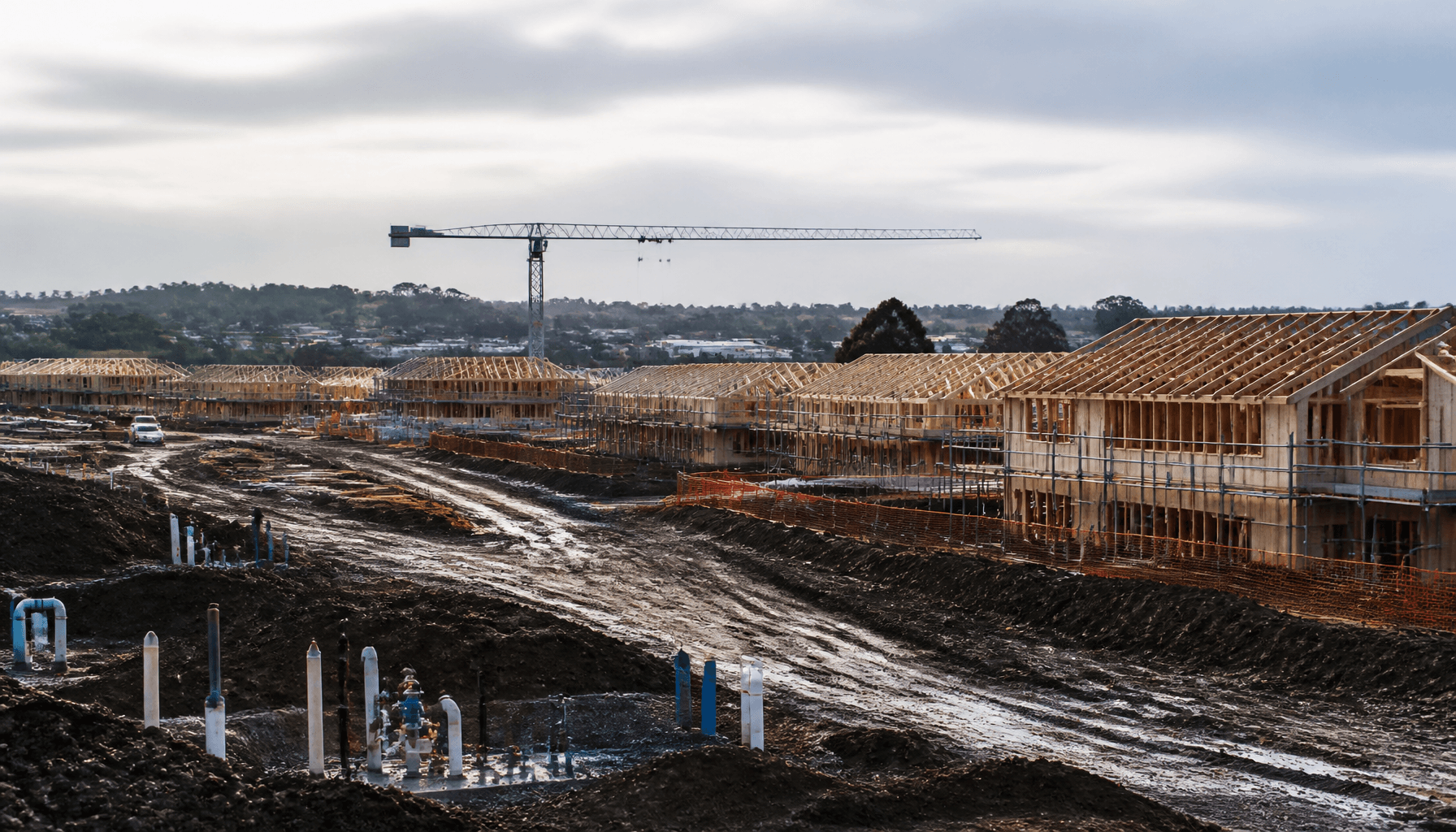
AI illustration of New Zealand income tax bracket creep — as nominal wages rise with inflation, workers are pushed into higher marginal rate bands without any real gain in purchasing power.
Personal Income Tax Paid by Median Full-Time Worker
Tax paid more than doubled as nominal wages rose into higher brackets without full inflation adjustment.
Source: RNZ News analysis of Inland Revenue data
Partial Relief from Budget 2024
Budget 2024 raised thresholds and delivered an estimated $3.7 billion in annual tax relief. The changes closed roughly one quarter of the cumulative inflation gap since 2010.
Fiscal drag still added about one percentage point of GDP to tax revenue after the adjustments. Without the 2024 changes the boost would have reached 1.6 percentage points of GDP.
“There was a long stretch from 2010 to 2024 where thresholds were not adjusted — the only change was the addition of the 39 percent top tax rate in 2020.” — Robyn Walker, Deloitte
Australian Contrast Highlights Policy Gap
Australia’s opposition has proposed indexing the bottom two brackets to inflation from 2028-29. The plan projects an extra A$1,000 a year for workers after four years at a fiscal cost of around A$22 billion.
New Zealand has relied on infrequent adjustments. The only other notable change between 2010 and 2024 was the 2020 introduction of the 39 percent top rate.
“That has been longstanding issue in the New Zealand system. And it’s something, obviously, the Australians are trying to correct with the current proposals…if you tried to do that in New Zealand, it would be pretty expensive.” — Kelly Eckhold, Westpac
Productivity Remains Key Trade-Off
Core Crown tax revenue is forecast to ease as a share of GDP from 27.9 percent in 2024/25 to 27.3 percent in 2025/26 in the Half Year Economic and Fiscal Update 2025. Bracket creep supplies automatic revenue support amid projected OBEGAL deficits.
Experts stress that sustained productivity growth offers the durable solution. Higher real incomes would lift purchasing power and ease the relative tax burden without repeated threshold resets. Household disposable income faces ongoing pressure in the meantime.