Economic News
Subscribe →
HomeMonetary PolicyFiscalTradeRegulationBankingEconomic DataAbout
Vol. 02 · New Zealand
WEDNESDAY 05/08/2026
Iss. 2026 / 32
Economic News

Balanced. Independent. Informed.

Sections

  • Monetary Policy
  • Fiscal
  • Trade
  • Regulation
  • Banking
  • Economic Data

Subscribe

  • Free email
  • Email preferences
  • RSS feed

Company

  • About
  • Privacy policy

About

Economic News is an independent New Zealand publication covering monetary policy, markets, the public finances and the wider economy.

© 2026 Economic News Limited
.

NZ Faces 12.5% US Tariffs on Exports Over Forced Labour Rules — Economic News
Live
Pasifika Unemployment Rate Reaches 11.6 Percent in June QuarterCommerce Commission to Decide T&G Fresh Acquisition by 26 AugustStats NZ to Run $300-400m Traditional Census in 2028 After Reform ImpasseGovernment Extends ETS Settings to 2031 for Market StabilityPasifika Unemployment Rate Reaches 11.6 Percent in June QuarterCommerce Commission to Decide T&G Fresh Acquisition by 26 AugustStats NZ to Run $300-400m Traditional Census in 2028 After Reform ImpasseGovernment Extends ETS Settings to 2031 for Market StabilityPasifika Unemployment Rate Reaches 11.6 Percent in June QuarterCommerce Commission to Decide T&G Fresh Acquisition by 26 AugustStats NZ to Run $300-400m Traditional Census in 2028 After Reform ImpasseGovernment Extends ETS Settings to 2031 for Market StabilityPasifika Unemployment Rate Reaches 11.6 Percent in June QuarterCommerce Commission to Decide T&G Fresh Acquisition by 26 AugustStats NZ to Run $300-400m Traditional Census in 2028 After Reform ImpasseGovernment Extends ETS Settings to 2031 for Market StabilityPasifika Unemployment Rate Reaches 11.6 Percent in June QuarterCommerce Commission to Decide T&G Fresh Acquisition by 26 AugustStats NZ to Run $300-400m Traditional Census in 2028 After Reform ImpasseGovernment Extends ETS Settings to 2031 for Market StabilityPasifika Unemployment Rate Reaches 11.6 Percent in June QuarterCommerce Commission to Decide T&G Fresh Acquisition by 26 AugustStats NZ to Run $300-400m Traditional Census in 2028 After Reform ImpasseGovernment Extends ETS Settings to 2031 for Market StabilityPasifika Unemployment Rate Reaches 11.6 Percent in June QuarterCommerce Commission to Decide T&G Fresh Acquisition by 26 AugustStats NZ to Run $300-400m Traditional Census in 2028 After Reform ImpasseGovernment Extends ETS Settings to 2031 for Market StabilityPasifika Unemployment Rate Reaches 11.6 Percent in June QuarterCommerce Commission to Decide T&G Fresh Acquisition by 26 AugustStats NZ to Run $300-400m Traditional Census in 2028 After Reform ImpasseGovernment Extends ETS Settings to 2031 for Market StabilityPasifika Unemployment Rate Reaches 11.6 Percent in June QuarterCommerce Commission to Decide T&G Fresh Acquisition by 26 AugustStats NZ to Run $300-400m Traditional Census in 2028 After Reform ImpasseGovernment Extends ETS Settings to 2031 for Market StabilityPasifika Unemployment Rate Reaches 11.6 Percent in June QuarterCommerce Commission to Decide T&G Fresh Acquisition by 26 AugustStats NZ to Run $300-400m Traditional Census in 2028 After Reform ImpasseGovernment Extends ETS Settings to 2031 for Market StabilityPasifika Unemployment Rate Reaches 11.6 Percent in June QuarterCommerce Commission to Decide T&G Fresh Acquisition by 26 AugustStats NZ to Run $300-400m Traditional Census in 2028 After Reform ImpasseGovernment Extends ETS Settings to 2031 for Market StabilityPasifika Unemployment Rate Reaches 11.6 Percent in June QuarterCommerce Commission to Decide T&G Fresh Acquisition by 26 AugustStats NZ to Run $300-400m Traditional Census in 2028 After Reform ImpasseGovernment Extends ETS Settings to 2031 for Market StabilityPasifika Unemployment Rate Reaches 11.6 Percent in June QuarterCommerce Commission to Decide T&G Fresh Acquisition by 26 AugustStats NZ to Run $300-400m Traditional Census in 2028 After Reform ImpasseGovernment Extends ETS Settings to 2031 for Market StabilityPasifika Unemployment Rate Reaches 11.6 Percent in June QuarterCommerce Commission to Decide T&G Fresh Acquisition by 26 AugustStats NZ to Run $300-400m Traditional Census in 2028 After Reform ImpasseGovernment Extends ETS Settings to 2031 for Market StabilityPasifika Unemployment Rate Reaches 11.6 Percent in June QuarterCommerce Commission to Decide T&G Fresh Acquisition by 26 AugustStats NZ to Run $300-400m Traditional Census in 2028 After Reform ImpasseGovernment Extends ETS Settings to 2031 for Market StabilityPasifika Unemployment Rate Reaches 11.6 Percent in June QuarterCommerce Commission to Decide T&G Fresh Acquisition by 26 AugustStats NZ to Run $300-400m Traditional Census in 2028 After Reform ImpasseGovernment Extends ETS Settings to 2031 for Market StabilityPasifika Unemployment Rate Reaches 11.6 Percent in June QuarterCommerce Commission to Decide T&G Fresh Acquisition by 26 AugustStats NZ to Run $300-400m Traditional Census in 2028 After Reform ImpasseGovernment Extends ETS Settings to 2031 for Market StabilityPasifika Unemployment Rate Reaches 11.6 Percent in June QuarterCommerce Commission to Decide T&G Fresh Acquisition by 26 AugustStats NZ to Run $300-400m Traditional Census in 2028 After Reform ImpasseGovernment Extends ETS Settings to 2031 for Market Stability
US TRADE POLICY · FORCED LABOUR TARIFFS

NZ Exports Face Additional 12.5% US Tariffs Over Weak Forced Labour Rules

The US Trade Representative has proposed 12.5 percent additional tariffs on all New Zealand goods, layered on the existing 10 percent blanket rate, because New Zealand has failed to ban imports of products made with forced labour.

Analysis Desk04/06/2026 · 12:55 NZT22 min read
TradeBreaking
AD
Analysis Desk
Senior Economics Correspondent · 04/06/2026 · 12:55 NZT · 22 min read
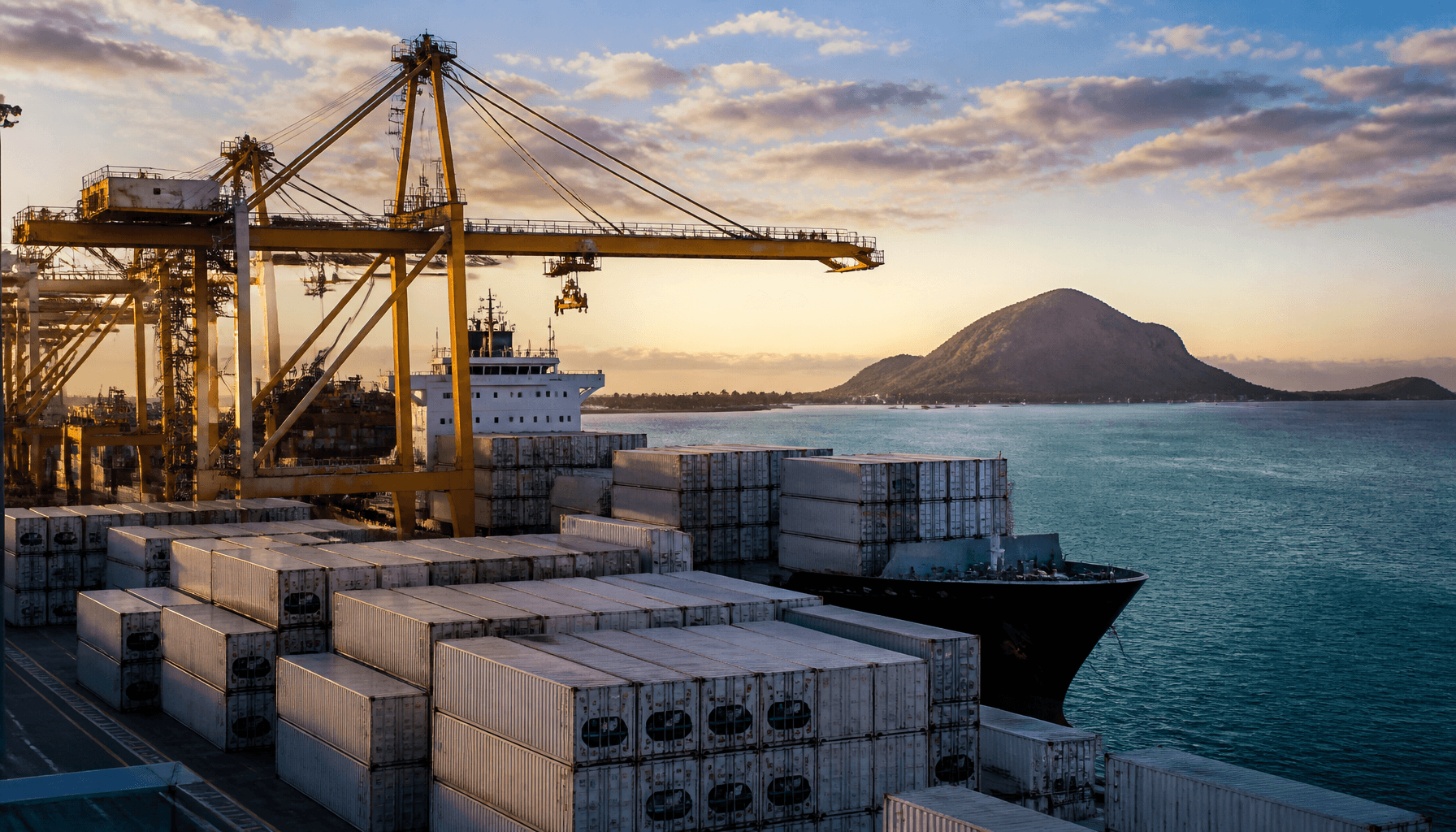
Refrigerated export containers stacked at Port of Tauranga wharf at dawn, with Mount Maunganui in the background

At a glance

A US forced-labour probe could add 12.5% duties on top of NZ's existing 10% tariff, threatening $5.6B in annual exports — with hearings set for 7 July 2026.

Key stats

Proposed additional tariff
12.5%
on all NZ goods
Existing blanket rate
10%
post-Supreme Court pivot
Potential combined rate
~22.5%
if both applied
NZ goods exports to US
$5.6B
2025, USTR
Sheepmeat exports to US
$685M
2025, MIA
Economies targeted
54
at 12.5% rate
Comments deadline
6 Jul 2026
hearings 7 Jul
"The US is looking for other ways to put that tariff wall back up after the Supreme Court ruling."Trade Minister Todd McClay

Sources cited

  • USTR Makes Findings and Proposes Action in 60 Section 301 Investigations — USTR
  • New Zealand | United States Trade Representative — USTR
  • New Zealand red meat exports reached record levels during 2025 — Meat Industry Association
  • New Zealand Participates in USTR Section 301 Investigation into Forced Labour — MFAT
  • US proposes tariffs of at least 10% after forced labour probe — Financial Times
  • United States' forced labour goods investigations launched — Russell McVeagh
  • Tariff Ripples: Modelling the Effects of US Trade Policy on the New Zealand Economy — RBNZ
  • WTO DS177 United States — Safeguard Measure on Imports of Fresh, Chilled or Frozen Lamb from New Zealand — WTO

Free

New Zealand's economy, straight to your inbox.

By subscribing you accept our privacy policy.

More from trade

Trade · 29/07/2026 · 11:17 NZT

US Section 301 Tariffs Lock in 12.5% Duties on New Zealand Exports

New Zealand exporters now face a permanent 12.5% additional tariff on most goods shipped to the United States after the expiry of a temporary surcharge on 24 July 2026. The measure under Section 301 of the US Trade Act of 1974 applies to 54 economies including New Zealand and leaves key sectors exposed despite exemptions for kiwifruit and beef that cover roughly 30% of the annual flow.

Analysis Desk·29/07/2026 · 11:17 NZT·18 min
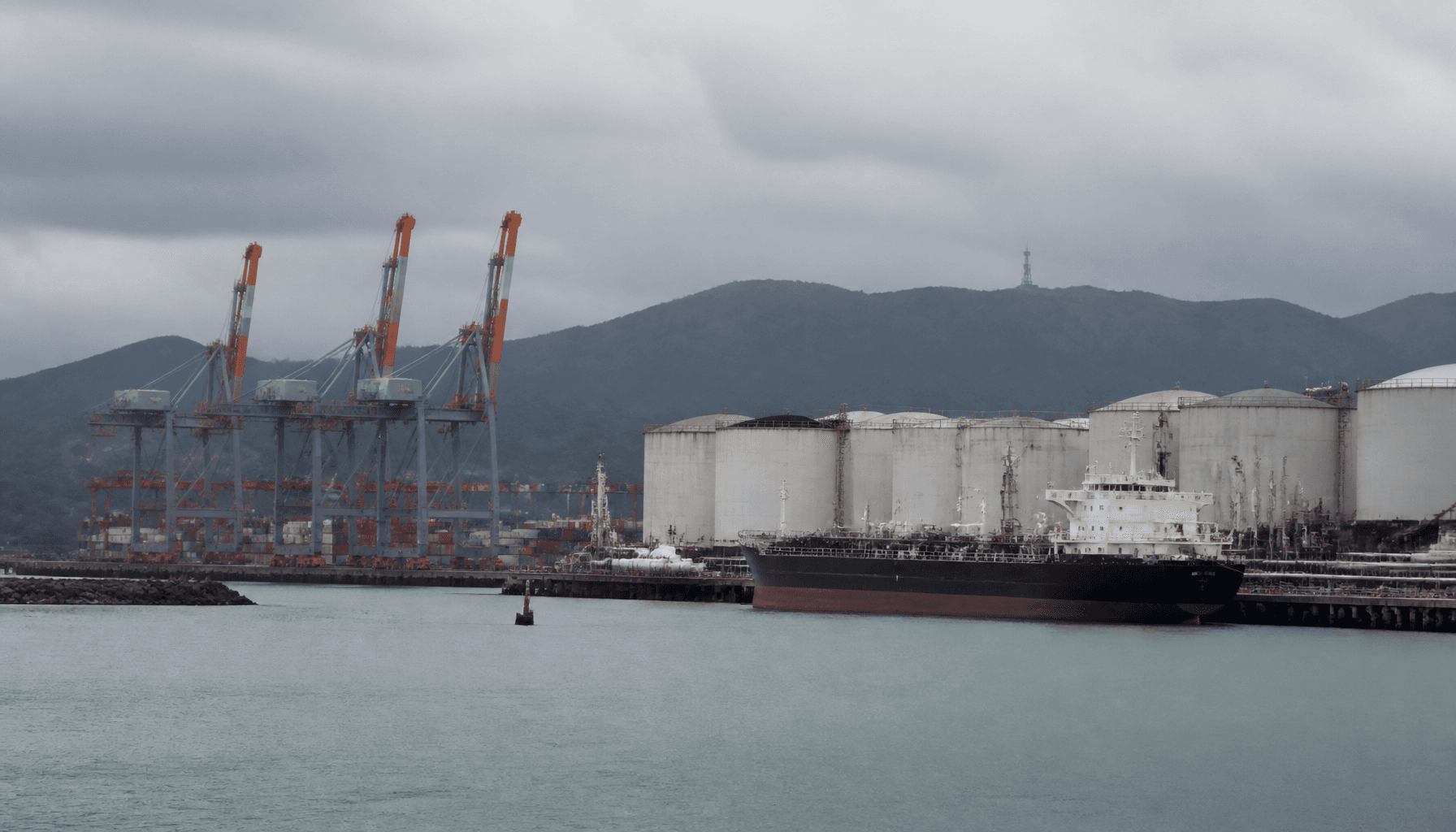
A cargo ship docked at Lyttelton Port, New Zealand, with cranes and containers visible on the wharf
Trade · 21/07/2026 · 15:07 NZT

US Tariffs on New Zealand Exports to Rise to 12.5 Percent This Week

Trade Minister Todd McClay said New Zealand expects US tariffs on its exports to return to 12.5 percent during the week of 21 July 2026.

Fiscal Desk·21/07/2026 · 15:07 NZT·6 min
Queenstown lakefront promenade with Lake Wakatipu and the Remarkables in morning light, visitors seen from behind
Fiscal
· 18/06/2026 · 15:21 NZT

Levy-Funded Tourism Boost Targets Recovery Without New Taxpayer Cost

The Government will direct $5 million from the International Visitor Levy into one-off marketing and business events programmes for the 2026/27 year to accelerate tourism's return toward pre-pandemic levels.

Fiscal Desk·18/06/2026 · 15:21 NZT·6 min

All trade →

The US Trade Representative has proposed 12.5 percent additional tariffs on all New Zealand goods, layered on the existing 10 percent blanket rate, because New Zealand has failed to ban imports of products made with forced labour.

US Proposes Tariffs on NZ Goods

The United States Trade Representative announced on 2 June 2026 that it will impose additional duties of 12.5 percent on imports from 54 economies, including New Zealand, that failed to impose and effectively enforce prohibitions on forced labour goods. This stacks on the current 10 percent global tariff rate that replaced an earlier measure struck down by the US Supreme Court in February 2026.

New Zealand's goods exports to the US totalled $5.6 billion in 2025, according to USTR data. Key sectors include sheepmeat at $685 million, other meat and edible offal, dairy products, and wine. These price-sensitive commodities face immediate cost pressure if the tariffs take effect.

Selected NZ export categories to the US (2025)
Sheepmeat is the single largest identified category; total goods exports reached $5.6B.
Source: USTR; Meat Industry Association (2025)

The Section 301 Mechanism

Section 301 of the Trade Act of 1974 allows the US to act against unreasonable foreign practices that burden US commerce. USTR determined that New Zealand's lack of a comprehensive forced labour import ban meets this threshold. The proposal covers all products with limited exceptions and a possible textile volume mechanism.

Public hearings are scheduled for 7 July 2026, with written comments due 6 July 2026. This timeline creates uncertainty for exporters and US importers alike.

NZ's Regulatory Shortfall

New Zealand prohibits forced labour domestically and has narrow rules on prison labour imports under the Customs and Excise Act 2018. However, it lacks a broad import prohibition comparable to the US Tariff Act Section 307 or the EU Forced Labour Regulation.

The Modern Slavery Bill currently before Parliament requires supply-chain reporting for entities with revenue over NZ$100 million. Submissions closed 28 May 2026. This is a transparency measure, not an import ban.

MFAT Response and Trade Exposure

MFAT submitted arguments to USTR stating that New Zealand has taken domestic and international actions on forced labour, that no evidence shows harm to US commerce from NZ settings, and that New Zealand is not the source of broader problems. Bilateral consultations occurred in May 2026.

"We know they are doing investigations at the moment, so-called investigations, they are looking for other ways to put that tariff wall back up." — Trade Minister Todd McClay (RNZ, May 2026)
AI illustration of a New Zealand high-country sheep station — sheepmeat exports to the US reached $685 million in 2025, making the sector among the most exposed to the proposed 12.5% additional tariff.

Incidence and Economic Transmission

US importers, New Zealand exporters, and American consumers will share the tariff incidence. Commodity lines such as red meat are price elastic and vulnerable to volume losses. Processors and farmers in regions like Canterbury, Otago, Southland, and Waikato face margin pressure.

RBNZ modelling in its March 2026 Analytical Note projects export volume declines and wider economy effects from similar tariff scenarios.

Historical Precedent

New Zealand successfully challenged US lamb safeguard tariffs in WTO dispute DS177 (1999–2001). The US measure was found inconsistent with WTO rules and adjusted. Current broad tariffs differ from that targeted safeguard but raise similar risks of diplomatic or legal pushback.

Trade-Offs for New Zealand

Adding a full import ban regime would impose new regulatory costs on businesses and government. Maintaining the status quo risks sustained market access friction and potential retaliation signals from the US.

Short-term hedging by US buyers could reduce orders. Over two to three years, diversification to ASEAN, China, or EU markets may accelerate, though at the cost of losing premium US pricing.

Second-Order Effects

Rural employment in meat and dairy processing regions could come under pressure through lower farmgate returns. Upstream suppliers in feed, transport, and processing face contraction risks.

Weaker terms of trade could influence inflation and the current account, with indirect implications for monetary policy settings.

Counter-Argument and Evidence

New Zealand exports are traceable and produced under domestic labour laws aligned with ILO conventions. MFAT argues there is no evidence NZ settings harm US commerce and that US importers benefit from supply growth, such as expanded lamb market access.

However, USTR found that New Zealand failed both to impose and to effectively enforce a prohibition, consistent with its findings on other reporting-only regimes in peer economies.

Open Questions

Product-specific exclusions or the textile volume mechanism remain possible after the July hearings. Negotiated bilateral agreements or phased implementation could replace the blanket rate.

RBNZ updated modelling after July will clarify export elasticity and exchange-rate effects on CPI.

What Happens Next

Exporters should prepare for comments and hearings outcomes by early July. Government engagement continues, but the regulatory gap exposed by the USTR process highlights the limits of reporting-only approaches. Broader diversification efforts will test whether premium markets can offset lost US volumes.