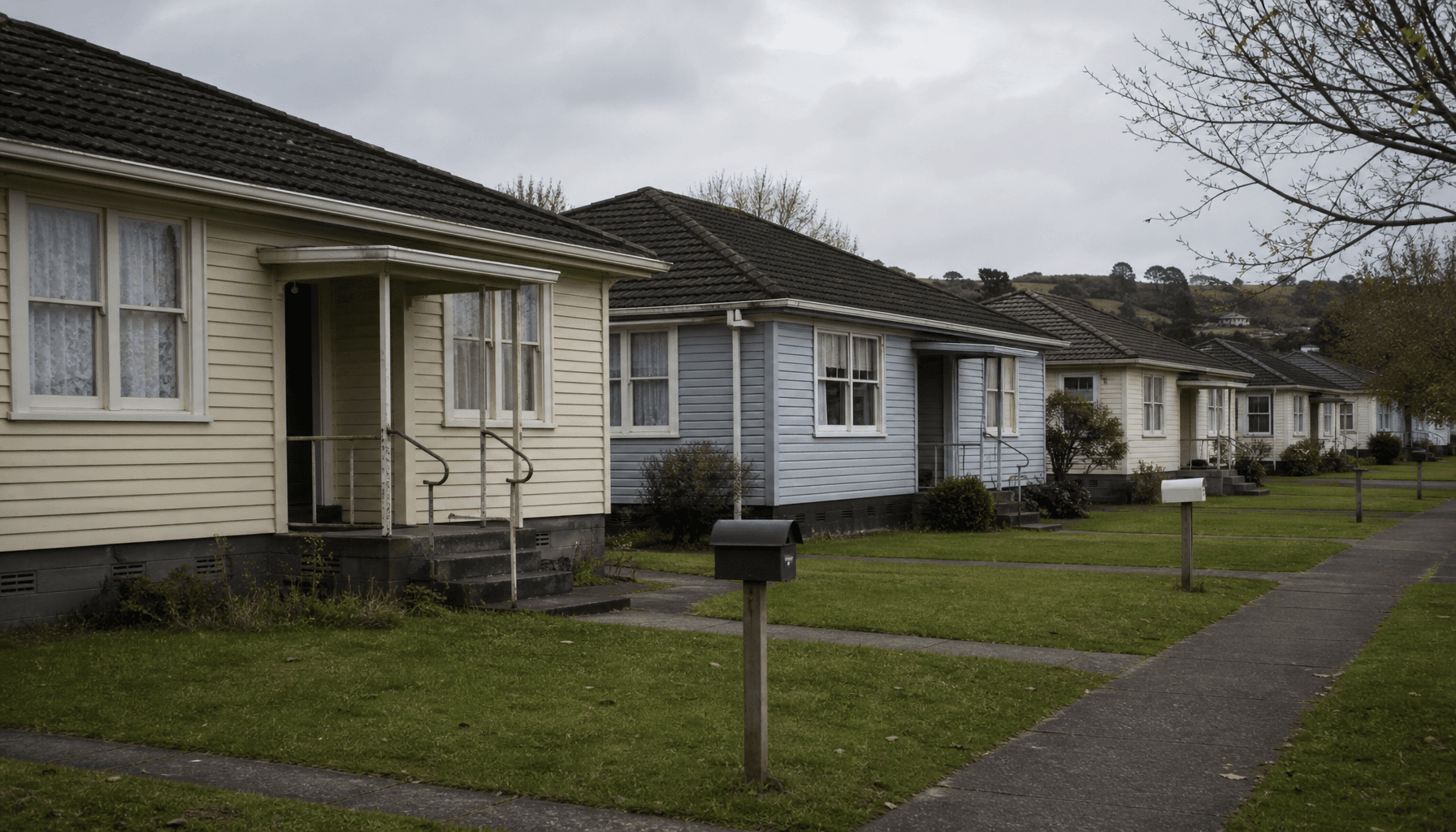
The government will raise the income-related rent contribution for social housing tenants from 25 per cent to 30 per cent of assessable income from 1 April 2027, delivering $387.5 million in operating savings over the forecast period.
Most of the $387.5m raised from higher tenant rents is recycled into Accommodation Supplement hikes, reshuffling housing support between social tenants and private renters.
"effectively a tax on people who are already struggling"Salvation Army
The New Zealand Treasury published the Investment Decision Assurance Policy on 13 October 2026. The framework consolidates the Gateway reviews and Te Waihanga's Infrastructure Priorities Programme into one investor-focused process effective 1 November 2026.
The Green Party announced a $5.9 billion economic development plan on 13 October 2026 that it claims will create 284,000 jobs over four years, 64,000 more than Treasury forecasts.
National Finance spokesperson Nicola Willis stated that income tax cuts are off the table until after a return to surplus, projected for 2028/29 under Treasury forecasts.
The government will raise the income-related rent contribution for social housing tenants from 25 per cent to 30 per cent of assessable income from 1 April 2027, delivering $387.5 million in operating savings over the forecast period.
The increase applies to approximately 84,000 social housing households. Tenants will pay an average $31.02 more per week once fully phased in.
The change will roll out over 12 months from 1 April 2027. It takes effect at each tenant's annual review or next change of circumstances. Recipients of NZ Superannuation or a Veteran's Pension are exempt.
Of the savings, $374.3 million will fund higher maximum Accommodation Supplement rates. These rates rise by between $10 and $30 per week across all areas from the same date.
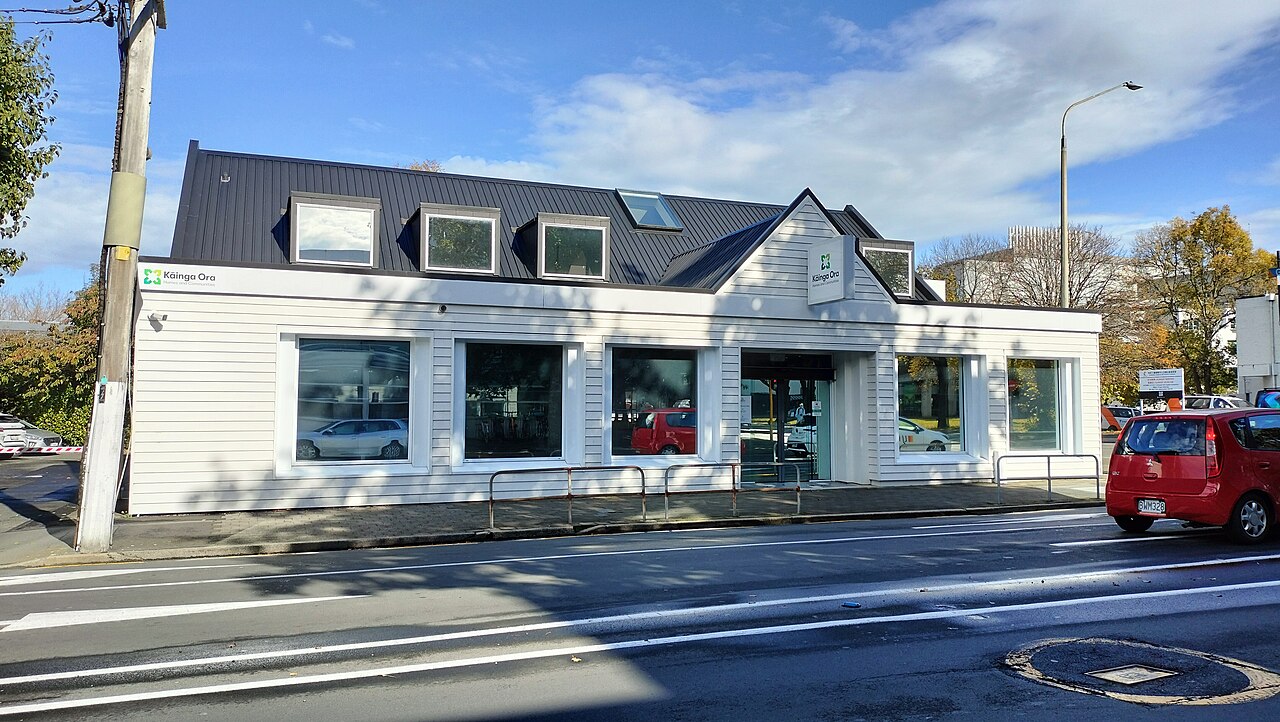
A Kāinga Ora office — the Crown agency managing more than 72,000 social housing properties — at the centre of the rent reforms taking effect from April 2027. Andykatib · CC0 · Wikimedia Commons
Household Impacts
111,000 Accommodation Supplement recipients are expected to gain an average $14.91 per week. Another 45,000 will lose an average $10.82 per week.
Average Weekly Changes from IRR Increase
Household Group
Weekly Change (NZD)
Social housing households (average)
-31.02
AS recipients gaining (average)
14.91
AS recipients losing (average)
-10.82
Effective 1 April 2027 after full phase-in
Source: Beehive.govt.nz Delivering fairer social housing and RNZ reporting
Housing Minister Chris Bishop said the current system is unfair. Similar households can get very different support depending on whether they are in social housing or a private rental.
Bishop added that reforming social housing will involve hard choices. He described the existing framework as unfair, costly, and not targeted enough to those with the greatest need.
Broader Reforms
The IRR change forms part of wider social housing reforms announced on 21 May 2026. These include revised needs assessments that prioritise severe barriers, defined tenancy durations, and a responsibilities framework.
The measures aim to encourage transitions to private rentals where appropriate. They sit within Budget 2026 efforts to manage expenditure while addressing housing supply pressures.
Criticisms and Local Concerns
“These increases in rent are effectively a tax on people who are already struggling. The proposal shifts money from one group of low-income vulnerable people to another.” — Salvation Army
The Salvation Army described the rent increase as effectively a tax on people who are already struggling. It said the policy shifts money from one group of low-income vulnerable people to another.
Regional reporting from Gisborne highlighted tenant worries. A caregiver for an elderly parent and a solo parent with a teenage son said the extra costs would add pressure on food, fuel and transport.
MSD has directed affected tenants to contact Work and Income for other supports such as the Disability Allowance.
Fiscal Context
Kāinga Ora manages more than 72,000 properties and around 73,000 tenancies. These represent the bulk of New Zealand's roughly 87,000 government-funded social housing places.
The policy alters the distribution of housing assistance between social housing tenants and private renters reliant on the Accommodation Supplement. Treasury and MSD data will track the net impact on OBEGAL over the coming years.
The reforms seek better value for taxpayers by tightening targeting and reducing long-term dependency on social housing.