"This is an annual plan, this is a budget that has taken from pretty much every part of the council spending and everybody's had to give a bit."Andrew Little, Mayor of Wellington
The New Zealand Treasury published the Investment Decision Assurance Policy on 13 October 2026. The framework consolidates the Gateway reviews and Te Waihanga's Infrastructure Priorities Programme into one investor-focused process effective 1 November 2026.
The Green Party announced a $5.9 billion economic development plan on 13 October 2026 that it claims will create 284,000 jobs over four years, 64,000 more than Treasury forecasts.
National Finance spokesperson Nicola Willis stated that income tax cuts are off the table until after a return to surplus, projected for 2028/29 under Treasury forecasts.
Wellington City Council has approved an average 5.8% rates increase for the 2026/27 year. This marks the lowest capital-wide rise since 2020. The decision followed intensive cost-cutting after an initial Long-Term Plan forecast of 12.7%.
The Revenue and Financial Value Working Group delivered dozens of savings and revenue proposals. These reduced the trajectory through iterations of 12.7% to 9.4% to 7.4% before the final 5.8%. Key measures included deferring $13.5 million in depreciation funding, trimming consultancy spend by $1.1 million, and cutting international tourism promotion funding.
A new 2.6:1 rates differential now applies to short-term accommodation properties such as Airbnbs. This change targets higher contributions from that sector.
The outcome places Wellington's increase below Auckland Council's confirmed 7.9% for the same period — the first time in over a decade that Wellington's rise has undercut Auckland's. Wellington households still face higher absolute bills by roughly $1,000 annually on average.
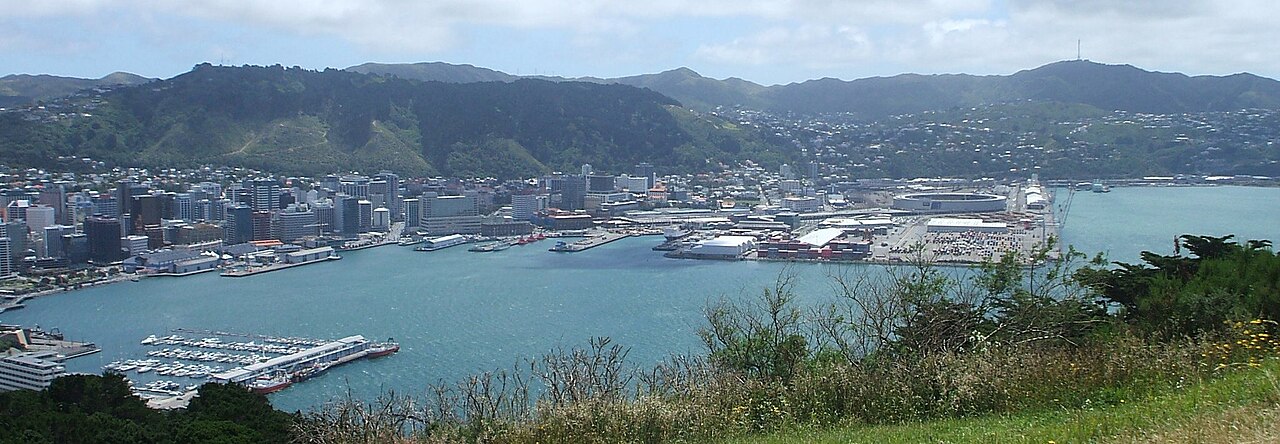
Wellington's CBD and port from Mount Victoria — the capital's ratepayers face a 5.8% rates rise in 2026/27, the lowest increase since 2020. Frozen-Coke-Rocks at English Wikipedia · Public domain · Wikimedia Commons
The Water Bill Complication
From 1 July 2026 water services transfer to the new Tiaki Wai entity under Local Water Done Well reforms. This separation reduces the WCC rates bill by an estimated 15–25%. Households will instead receive separate Tiaki Wai bills averaging around $2,400 in 2026/27, up about 14% or $310 initially.
Mayor Andrew Little described the plan as a first step toward greater affordability. He said it was a budget that had taken from pretty much every part of council spending, and that everybody had had to give a bit. He also defended ongoing investment, saying the council was continuing to invest in climate change and the cycleway programme, and that he disagreed with those who said there was a widespread appetite among Wellingtonians to stop cycleways altogether.
Not all councillors were satisfied with the outcome. According to RNZ, Councillors Ray Chung, Tony Randle, and Karl Tiefenbacher have consistently voted against the council's budget direction, with Chung arguing the plan does not go far enough in cutting spending and calling for a definitive cap on rates increases rather than a commitment to strive to keep rises as low as practicable.
Staffing Review and Structural Savings
A Deloitte efficiency review from November 2025 identified 330 excess staff positions. This suggested potential annual savings of $33.9 million and informed a sinking lid approach to vacancies.
The 2025/26 Annual Plan locked in a 12% average increase. Council collected $628 million in rates that year.
National Rates Context
National data from the Taxpayers Union's 2026 Ratepayers' Report shows residential rates averaging $3,386 nationally, up $451 year-on-year. Non-residential rates in Wellington City average $53,258, up over 50% in two years.
According to the same Taxpayers Union Ratepayers' Report 2026, council rates nationally have outpaced inflation by 2.5 times or more in recent years. Greater Wellington ranks among the steeper regional performers.
The savings achieved reflect structural pressures on local government finances. These include infrastructure renewal needs, insurance cost inflation, and interest expenses. The Wellington decision signals pragmatic restraint but highlights ongoing tensions in fiscal sustainability.
Other territorial authorities face similar challenges in their 2026/27 annual plans. Sustained cost control could ease pressure on ratepayers and influence borrowing costs over the medium term.