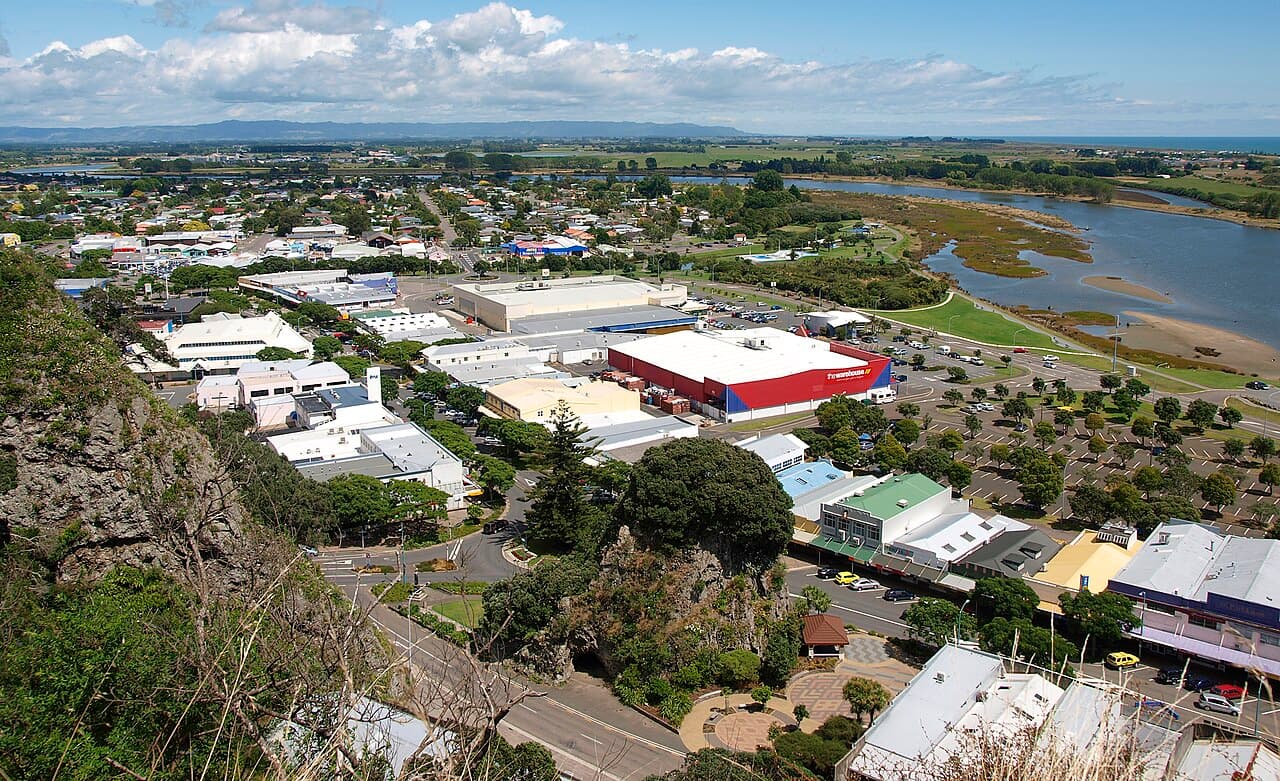
Whakatāne District Council ratepayers pay an average of $4,508 in residential rates for the 2024/25 year. This places the council seventh highest among New Zealand's 77 territorial authorities.
The 2026 Ratepayers' Report, released by the New Zealand Taxpayers' Union on 4 May 2026, draws on the latest council financial data. Whakatāne fell from third highest in the 2021 edition.
National average residential rates reached $3,386. The figure marks a $451 or 15.4 percent rise from the prior year.
Rates growth outstripped general inflation of 2.5 to 3.1 percent over the same period. The Taxpayers' Union calculated an average 8.39 percent increase for the 2025 rating year.
Cumulative rises hit 34.52 percent over three years against 13.7 percent inflation. These pressures hit provincial households hardest.
Average Residential Rates Comparison
Councils defend high bills by citing service levels and local conditions. Whakatāne Mayor Nandor Tanczos described the report methodology as shonky and likened it to comparing blueberries with melons.
Whakatāne Mayor Nandor Tanczos described the report methodology as shonky and likened it to comparing blueberries with melons.
The Taxpayers' Union argues per-household figures enable clear comparisons. The report shows average council debt at 220 percent of annual rates revenue, up more than 50 percentage points in one year.
Interest costs average $400 per household nationally, per the Taxpayers' Union report. Queenstown Lakes District Council carries the highest debt per household at $28,312, according to the same report.
The government has proposed legislation to cap rates increases at 2 to 4 percent per capita annually. Six councils declined to supply data for the report.
Fiscal Implications
Local authority rates and payments contributed 8.8 percent to the 3.1 percent annual inflation rate in the December 2025 quarter. Stats NZ recorded the overall figure.
Whakatāne serves 38,400 residents across 14,928 households with a median income of $54,300. Rates equate to roughly 8.3 percent of that income.
The 2026 local body elections will focus ratepayer attention on these costs. Sustained above-inflation growth risks widening regional affordability gaps.
Provincial councils face higher per-household infrastructure renewal demands than metropolitan peers. Central government signals on fiscal discipline may influence future Local Government Act settings.