Economic News
Subscribe →
HomeMonetary PolicyFiscalTradeRegulationBankingEconomic DataAbout
Vol. 02 · New Zealand
WEDNESDAY 05/08/2026
Iss. 2026 / 32
Economic News

Balanced. Independent. Informed.

Sections

  • Monetary Policy
  • Fiscal
  • Trade
  • Regulation
  • Banking
  • Economic Data

Subscribe

  • Free email
  • Email preferences
  • RSS feed

Company

  • About
  • Privacy policy

About

Economic News is an independent New Zealand publication covering monetary policy, markets, the public finances and the wider economy.

© 2026 Economic News Limited
.

MBIE Launches Winter Energy Reliability Obligation Consultation — Economic News
Live
Pasifika Unemployment Rate Reaches 11.6 Percent in June QuarterCommerce Commission to Decide T&G Fresh Acquisition by 26 AugustStats NZ to Run $300-400m Traditional Census in 2028 After Reform ImpasseGovernment Extends ETS Settings to 2031 for Market StabilityPasifika Unemployment Rate Reaches 11.6 Percent in June QuarterCommerce Commission to Decide T&G Fresh Acquisition by 26 AugustStats NZ to Run $300-400m Traditional Census in 2028 After Reform ImpasseGovernment Extends ETS Settings to 2031 for Market StabilityPasifika Unemployment Rate Reaches 11.6 Percent in June QuarterCommerce Commission to Decide T&G Fresh Acquisition by 26 AugustStats NZ to Run $300-400m Traditional Census in 2028 After Reform ImpasseGovernment Extends ETS Settings to 2031 for Market StabilityPasifika Unemployment Rate Reaches 11.6 Percent in June QuarterCommerce Commission to Decide T&G Fresh Acquisition by 26 AugustStats NZ to Run $300-400m Traditional Census in 2028 After Reform ImpasseGovernment Extends ETS Settings to 2031 for Market StabilityPasifika Unemployment Rate Reaches 11.6 Percent in June QuarterCommerce Commission to Decide T&G Fresh Acquisition by 26 AugustStats NZ to Run $300-400m Traditional Census in 2028 After Reform ImpasseGovernment Extends ETS Settings to 2031 for Market StabilityPasifika Unemployment Rate Reaches 11.6 Percent in June QuarterCommerce Commission to Decide T&G Fresh Acquisition by 26 AugustStats NZ to Run $300-400m Traditional Census in 2028 After Reform ImpasseGovernment Extends ETS Settings to 2031 for Market StabilityPasifika Unemployment Rate Reaches 11.6 Percent in June QuarterCommerce Commission to Decide T&G Fresh Acquisition by 26 AugustStats NZ to Run $300-400m Traditional Census in 2028 After Reform ImpasseGovernment Extends ETS Settings to 2031 for Market StabilityPasifika Unemployment Rate Reaches 11.6 Percent in June QuarterCommerce Commission to Decide T&G Fresh Acquisition by 26 AugustStats NZ to Run $300-400m Traditional Census in 2028 After Reform ImpasseGovernment Extends ETS Settings to 2031 for Market StabilityPasifika Unemployment Rate Reaches 11.6 Percent in June QuarterCommerce Commission to Decide T&G Fresh Acquisition by 26 AugustStats NZ to Run $300-400m Traditional Census in 2028 After Reform ImpasseGovernment Extends ETS Settings to 2031 for Market StabilityPasifika Unemployment Rate Reaches 11.6 Percent in June QuarterCommerce Commission to Decide T&G Fresh Acquisition by 26 AugustStats NZ to Run $300-400m Traditional Census in 2028 After Reform ImpasseGovernment Extends ETS Settings to 2031 for Market StabilityPasifika Unemployment Rate Reaches 11.6 Percent in June QuarterCommerce Commission to Decide T&G Fresh Acquisition by 26 AugustStats NZ to Run $300-400m Traditional Census in 2028 After Reform ImpasseGovernment Extends ETS Settings to 2031 for Market StabilityPasifika Unemployment Rate Reaches 11.6 Percent in June QuarterCommerce Commission to Decide T&G Fresh Acquisition by 26 AugustStats NZ to Run $300-400m Traditional Census in 2028 After Reform ImpasseGovernment Extends ETS Settings to 2031 for Market StabilityPasifika Unemployment Rate Reaches 11.6 Percent in June QuarterCommerce Commission to Decide T&G Fresh Acquisition by 26 AugustStats NZ to Run $300-400m Traditional Census in 2028 After Reform ImpasseGovernment Extends ETS Settings to 2031 for Market StabilityPasifika Unemployment Rate Reaches 11.6 Percent in June QuarterCommerce Commission to Decide T&G Fresh Acquisition by 26 AugustStats NZ to Run $300-400m Traditional Census in 2028 After Reform ImpasseGovernment Extends ETS Settings to 2031 for Market StabilityPasifika Unemployment Rate Reaches 11.6 Percent in June QuarterCommerce Commission to Decide T&G Fresh Acquisition by 26 AugustStats NZ to Run $300-400m Traditional Census in 2028 After Reform ImpasseGovernment Extends ETS Settings to 2031 for Market StabilityPasifika Unemployment Rate Reaches 11.6 Percent in June QuarterCommerce Commission to Decide T&G Fresh Acquisition by 26 AugustStats NZ to Run $300-400m Traditional Census in 2028 After Reform ImpasseGovernment Extends ETS Settings to 2031 for Market StabilityPasifika Unemployment Rate Reaches 11.6 Percent in June QuarterCommerce Commission to Decide T&G Fresh Acquisition by 26 AugustStats NZ to Run $300-400m Traditional Census in 2028 After Reform ImpasseGovernment Extends ETS Settings to 2031 for Market StabilityPasifika Unemployment Rate Reaches 11.6 Percent in June QuarterCommerce Commission to Decide T&G Fresh Acquisition by 26 AugustStats NZ to Run $300-400m Traditional Census in 2028 After Reform ImpasseGovernment Extends ETS Settings to 2031 for Market Stability
ENERGY REGULATION · ELECTRICITY SECURITY

MBIE Consults on Winter Energy Reliability Obligation and Higher Penalties

MBIE began public consultation on 9 June 2026 on a two-layer Winter Energy Reliability Obligation that shifts dry-year back-up responsibility to large electricity buyers and generators, while penalties for serious breaches rise from a $2 million cap to a maximum of $10 million, three times commercial gain or 10 per cent of turnover, whichever is greatest, effective 2027.

Regulation Desk09/06/2026 · 09:10 NZT8 min read
RegulationBreaking
RD
Regulation Desk
Regulation and Markets Conduct Reporter · 09/06/2026 · 09:10 NZT · 8 min read
Ohau C hydroelectric power station in New Zealand's South Island, one of the hydro facilities central to the country's electricity supply

At a glance

New rules shift dry-year electricity risk onto gentailers and large buyers, with penalties rising fivefold as NZ grapples with its worst hydro crisis since 2013.

Key stats

2024 hydro generation
23,490 GWh
lowest since 2013
YoY hydro decline
–11%
2024 vs 2023
Lake storage (mid-Aug 2024)
51%
of seasonal average
Electricity price rise
11.3%
Sept 2025 quarter
Gentailer market share
85–90%
generation & retail
NZ hydro dependency
57%
of electricity system
Dry-year risk premium
$30–50/MWh
embedded in ASX forwards

Sources cited

  • MBIE Energy in New Zealand 2025 - Electricity chapter — MBIE
  • Transpower Managing security of supply risks 2024 — Transpower
  • Electricity Authority Eye on Electricity August/November 2024 — Electricity Authority
  • 1News article on inflation and power prices — 1News
  • Commerce Commission case register on gentailers — Commerce Commission
  • The Lawyer Mag article on Electricity Industry Act amendments — The Lawyer Mag
  • MBIE factsheet on electricity system challenges — MBIE
  • Electricity Authority news on SOSFIP changes — Electricity Authority
  • Business Energy Council article on 2024 electricity crisis — Business Energy Council

Free

New Zealand's economy, straight to your inbox.

By subscribing you accept our privacy policy.

More from regulation

Regulation · 05/08/2026 · 12:33 NZT

Commerce Commission to Decide T&G Fresh Acquisition by 26 August

The Commerce Commission will decide by 26 August 2026 whether to clear J&P Turner Limited's proposed acquisition of T&G Fresh. The deal would reduce the number of major national fresh produce wholesalers from three to two.

Regulation Desk·05/08/2026 · 12:33 NZT·5 min
Stats NZ Wellington office building on The Terrace under overcast daylight, flanked by a pohutukawa tree
Economic Data · 05/08/2026 · 09:54 NZT

Stats NZ to Run $300-400m Traditional Census in 2028 After Reform Impasse

Stats NZ must prepare a traditional full-population census for 2028 at an estimated cost of $300 million to $400 million after the government could not secure the 75 percent parliamentary majority required for modernisation reforms.

Data Desk·05/08/2026 · 09:54 NZT·6 min
Aerial view of a New Zealand radiata pine plantation with geometric rows of dark-green canopy across rolling hill-country terrain
Regulation · 05/08/2026 · 09:53 NZT

Government Extends ETS Settings to 2031 for Market Stability

The New Zealand Government will maintain current Emissions Trading Scheme unit settings and extend price controls until 2031, providing longer-term certainty after recent market volatility.

Regulation Desk·05/08/2026 · 09:53 NZT·6 min

All regulation →

MBIE began public consultation on 9 June 2026 on a two-layer Winter Energy Reliability Obligation that shifts dry-year back-up responsibility to large electricity buyers and generators, while penalties for serious breaches rise from a $2 million cap to a maximum of $10 million, three times commercial gain or 10 per cent of turnover, whichever is greatest, effective 2027.

The 2024 Hydro Crisis: A System Run to the Edge

Hydro generation fell 11 per cent year-on-year in 2024 to 23,490 GWh, the lowest total since 2013, after below-average inflows, low snowpack and gas supply constraints drove lake storage to 51 per cent of the seasonal average by mid-August.

That level ranked among the lowest in 90 years of records, according to Transpower data, and triggered wholesale price spikes that fed through to retail bills.

Electricity prices rose 11.3 per cent in the September 2025 quarter, the largest annual increase since the March 1989 quarter.

The four major gentailers — Genesis Energy, Contact Energy, Meridian Energy and Mercury NZ — control 85–90 per cent of generation and retail supply. Three of the four are majority government-owned.

The Two-Layer Obligation

Under the proposed obligation, large buyers must secure dependable winter cover years ahead when shortfalls are forecast. Generators must demonstrate firm fuel availability if hydro storage falls critically low before winter.

The sector can meet the rules through new generation, demand response, fuel procurement or storage. MBIE's discussion document seeks feedback on compliance thresholds and demonstration methods.

The Electricity Authority will gain an explicit statutory mandate under Electricity Industry Act amendments to oversee system-wide dry-year risk and must report annually to the Minister on security-of-supply risks. The Government Policy Statement on electricity will be updated to require the Authority to prioritise dry-year resilience alongside reliability and affordability.

Penalty Regime and Market Context

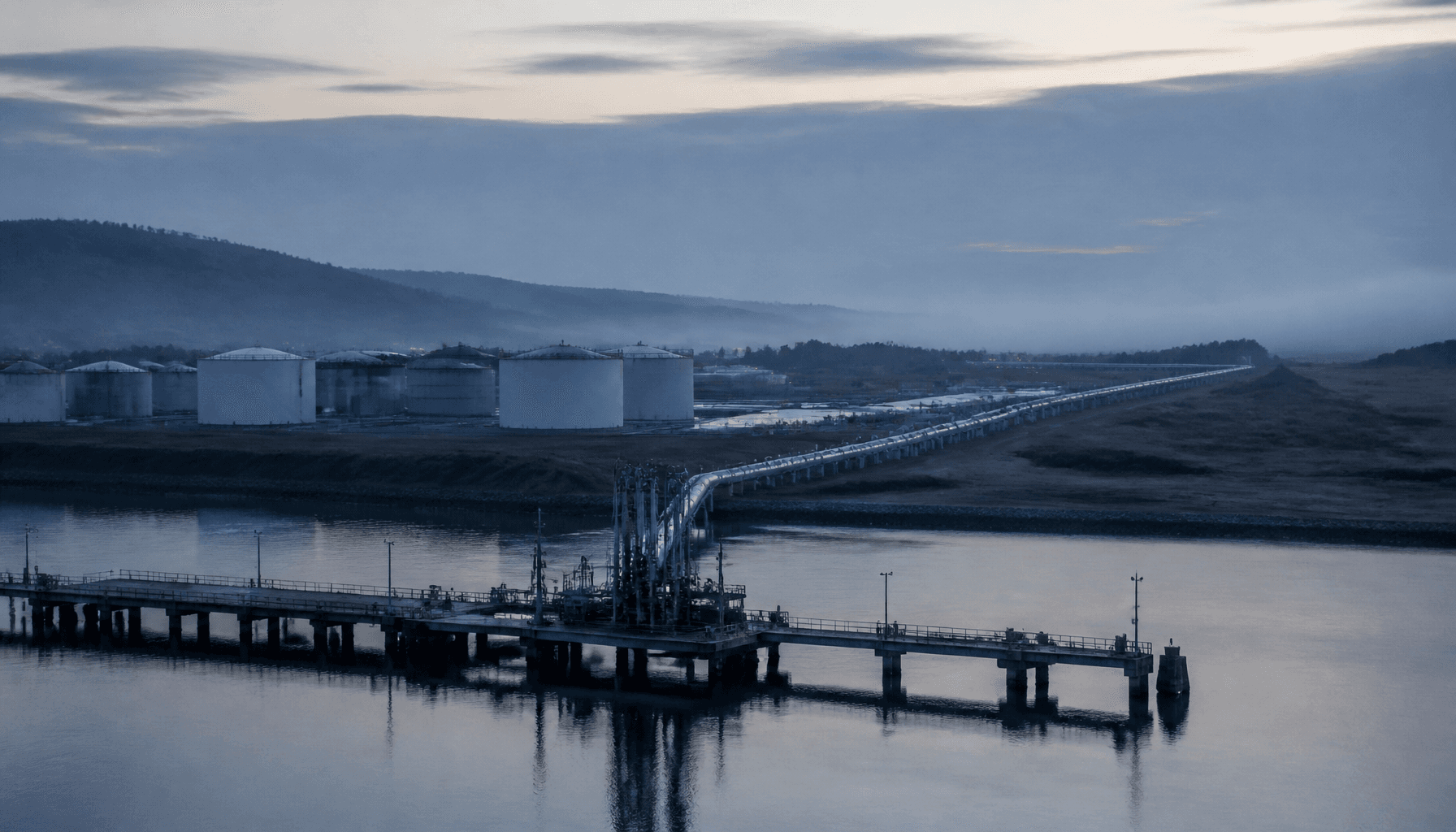
Penalties for serious non-compliance increase substantially from the current $2 million maximum. The changes form part of the Securing Affordable Energy plan, which also advances a potential LNG import facility.

According to an MBIE factsheet on electricity system challenges, forward contracts on the ASX already embed a persistent $30–50 per MWh dry-year risk premium.

The MBIE discussion document acknowledges that higher compliance costs for gentailers could pass through to households and businesses already facing elevated bills.

New Zealand Annual Hydro Generation 2020–2024
2024 generation was the lowest since 2013, driven by below-average inflows and gas constraints.
Source: MBIE Energy in New Zealand 2025

Historical Context and Structural Vulnerability

The 2024 event combined low hydro with concurrent gas constraints, limiting thermal back-up options. Prior dry-year episodes occurred in 1992, 2001 and 2008, but 2024 depleted storage faster than recent analogues.

The Electricity Authority approved strengthened Security of Supply Forecasting and Information Policy changes in February 2026. Consultation runs through the standard period, with implementation details to follow.

New Zealand's electricity system remains approximately 57 per cent hydro-dependent, creating structural seasonal vulnerability. Large industrial users will face new multi-year contracting obligations that could alter procurement strategies.

The policy aims to reduce the frequency of price spikes that have contributed to CPI inflation in recent periods. Over a two-to-five-year horizon, effects on forward contracting, investment signals and retail volatility will become clearer once final rules are set.