Air NZ's $4bn Equity Buffer Absorbs Fuel Shock Without Capital Raise
Air New Zealand's NZ$4 billion in available aircraft equity and NZ$1.3 billion liquidity buffer position the carrier to absorb a projected NZ$340-390 million pre-tax loss for the year ending June 2026 without seeking a capital raise or government support, Forsyth Barr analysts concluded after the 14 May trading update.
New Zealand rural confidence stayed positive for a ninth straight quarter in August 2026, with horticulturalists overtaking sheep and beef as the most optimistic sector while investment plans stayed soft.
ASB’s Q2 2026 Regional Economic Scoreboard left Wellington joint last with Gisborne while Canterbury led on dairy cash, jobs and retail. The capital’s multi-quarter underperformance is structural: public-service consolidation, a deep housing correction and stalled population growth colliding with a national OCR still set for nationwide inflation.
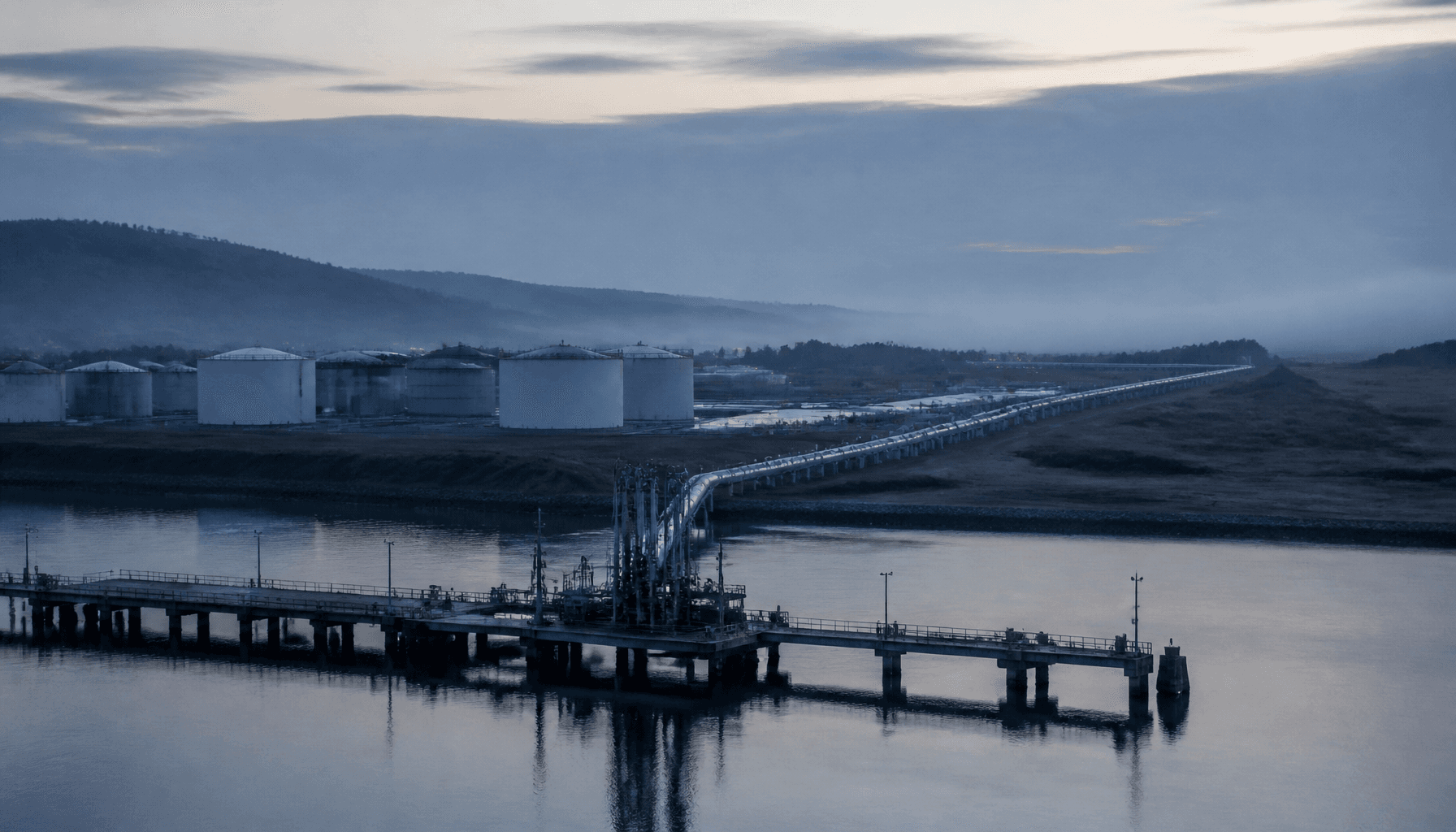
MBIE’s 6 September snapshot shows 51.7 days of petrol cover on paper. Only 34.5 of those days sit onshore. Eight of nine ships still float outside the EEZ, and sequential Hormuz then Red Sea stress is already priced into $3-plus petrol.
Air New Zealand's NZ$4 billion in available aircraft equity and NZ$1.3 billion liquidity buffer position the carrier to absorb a projected NZ$340–390 million pre-tax loss for the year ending June 2026 without seeking a capital raise or government support, Forsyth Barr analysts concluded after the 14 May trading update.
Air New Zealand can absorb the projected full-year pre-tax loss range of NZ$340 million to NZ$390 million thanks to its strengthened balance sheet. Forsyth Barr maintained its underperform rating while noting the airline has the resources to weather the shock.
The downgrade stems from a NZ$240 million additional fuel cost headwind in the second half. Jet fuel prices spiked to US$160–230 per barrel amid the Middle East conflict. Second-half fuel costs are now projected at NZ$980 million, pushing the full-year bill to NZ$1.75 billion.
Air NZ fuel cost: 2H FY26 vs assumption at interim result
The NZ$240m gap between the February interim assumption and the revised 2H projection is the primary driver of the full-year loss.
Source: Air New Zealand market update, NZX announcement 472591, 14 May 2026
The drivers
Geopolitical tensions involving Iran, Israel and the US drove the price surge over ten weeks ending mid-May 2026. Air New Zealand entered the period 85 per cent hedged on Brent crude but remained exposed to refining margins. Consumption of approximately 4.1 million barrels in the second half translated the spike into the NZ$240 million net headwind.
Domestic demand proved elastic. Stats NZ data showed domestic airfares rising 4.2 per cent month-on-month in April. International fares rose 6.2 per cent. Softening bookings from New Zealand point-of-sale passengers coincided with the weak economy and higher fares.
Pre-existing Boeing 787 engine issues compounded the pressure. Up to 11 aircraft were grounded at peaks, limiting capacity growth. The airline has already cut group capacity by 3–5 per cent since the conflict escalated.
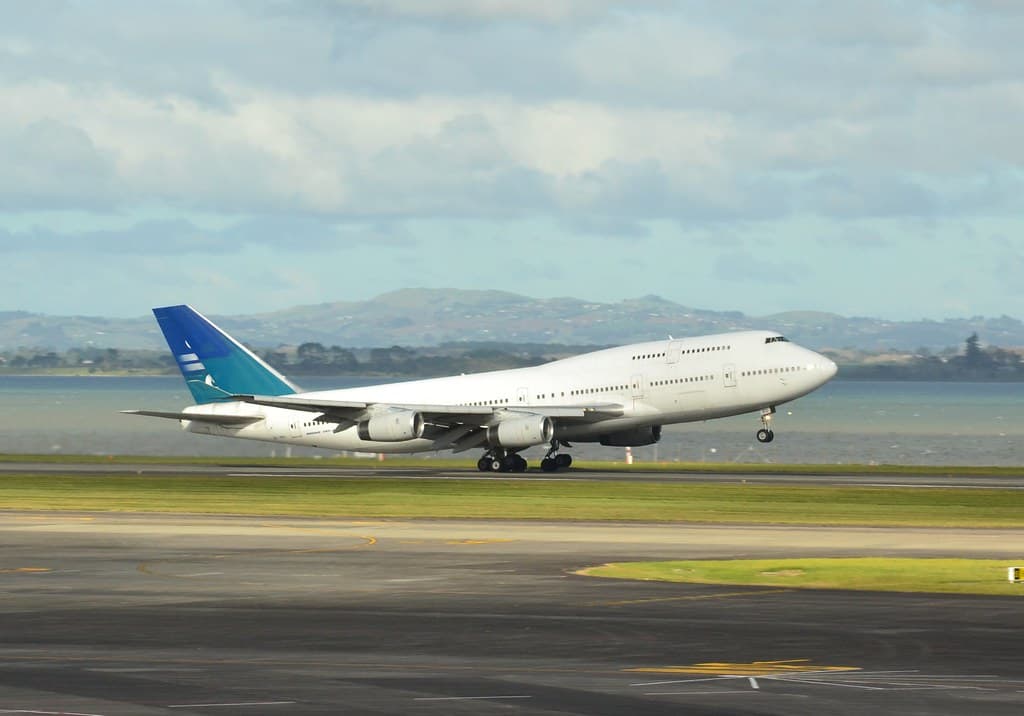
Illustration: Jet fuel prices surged to US$160–230 per barrel over ten weeks to mid-May 2026, driven by Middle East conflict — translating into a NZ$240 million net headwind for Air New Zealand's second half.
The trade-offs
Capacity discipline protects yields but risks ceding market share to Qantas and Jetstar on domestic feeder routes. Fare increases pass through costs yet suppress volumes in a price-sensitive domestic market. The 55 per cent hedge for the first half of FY2027 reduces crude exposure but leaves refining margin risk intact.
Restructuring has identified NZ$100 million of annualised cost savings. These will flow into FY2027 and beyond. Short-term job impacts in Auckland and Christchurch operations are expected as part of the reset.
Second-order effects
Constrained capacity threatens inbound tourism recovery. Stats NZ reported 358,900 visitor arrivals in March 2026, the highest March total since 2019. Annual arrivals reached 3.63 million to March. Tourism contributes around 5 per cent of GDP. Lower volumes will pressure Auckland, Wellington and Christchurch airport revenues.
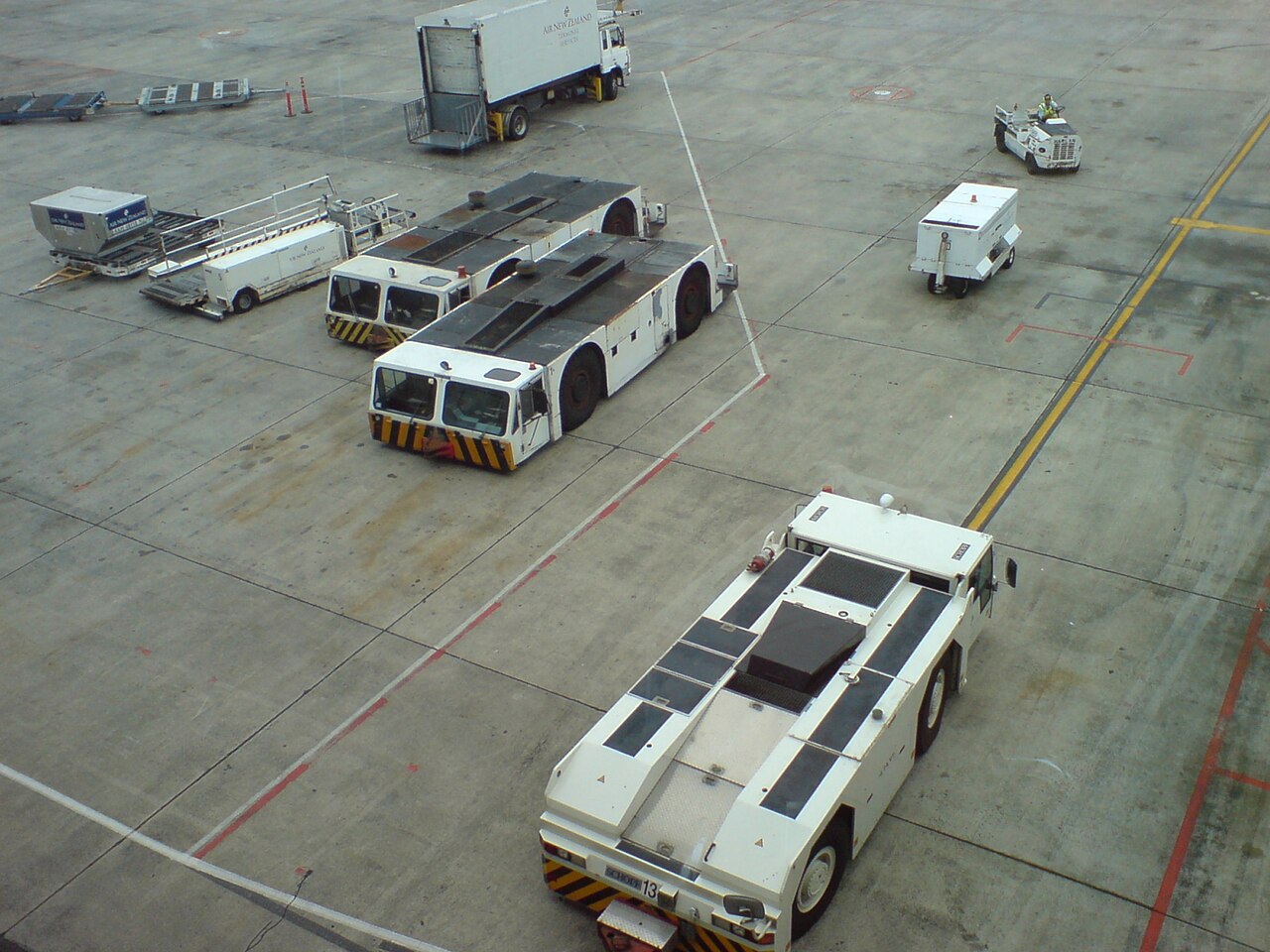
Auckland Airport's airside apron — lower Air New Zealand passenger volumes from the 3–5% capacity cut will pressure airport revenue at Auckland, Wellington and Christchurch.
Airfare inflation feeds into the CPI transport component monitored by the Reserve Bank. Household travel budgets face further strain amid elevated borrowing costs. Delayed widebody fleet renewal could limit route expansion to Asia and the United States over the next two to three years.
Supplier spillovers will affect hundreds of aviation roles and related firms in catering and ground handling.
Airfare inflation, April 2026 vs March 2026
Both domestic and international fare rises in April reflect fuel cost pass-through and feed directly into the CPI transport component.
Source: Stats NZ Selected Price Indexes: April 2026
Historical context
The 2022 Ukraine invasion produced a similar 50–100 per cent year-on-year rise in fuel bills. Air New Zealand returned to profit within 18 months once prices normalised. The 2008 oil shock saw prices exceed US$180 per barrel and triggered widespread losses and consolidations across the sector.
Current hedging and liquidity levels exceed those in 2022. The airline has added an undrawn NZ$250 million syndicated standby facility.
The counter-argument
Some analysts argue the downgrade reflects lagged hedging contracts more than permanent damage. Forsyth Barr noted the reset could position the carrier for FY2027 recovery if engine issues resolve and cost savings materialise.
Global peers such as Qantas have cut capacity and raised fares aggressively, forecasting lower earnings.
Evidence from the May update shows liquidity remains within target ranges. Net debt-to-EBITDA is elevated but manageable short-term. The company has ruled out any capital raise.
Open questions
Duration of domestic demand elasticity to the 4.2 per cent fare rise remains unclear amid the weak economy.
Speed of engine resolutions will determine whether 20–25 per cent widebody capacity growth materialises by the end of FY2028.
Long-term market share shift to Australian carriers on New Zealand routes needs monitoring.
Tourism GDP contribution faces downside risk over the next 12–18 months if capacity stays 3–5 per cent lower. The next Air New Zealand trading update in August will reveal whether fuel prices have stabilised and whether mitigation actions have offset the headwind.
The Civil Aviation Authority's two-year Rules Update Programme launched in April provides a supportive regulatory framework for fleet renewal without fee increases. This reduces one layer of compliance cost for operators.