New Zealand rural confidence stayed positive for a ninth straight quarter in August 2026, with horticulturalists overtaking sheep and beef as the most optimistic sector while investment plans stayed soft.
ASB’s Q2 2026 Regional Economic Scoreboard left Wellington joint last with Gisborne while Canterbury led on dairy cash, jobs and retail. The capital’s multi-quarter underperformance is structural: public-service consolidation, a deep housing correction and stalled population growth colliding with a national OCR still set for nationwide inflation.
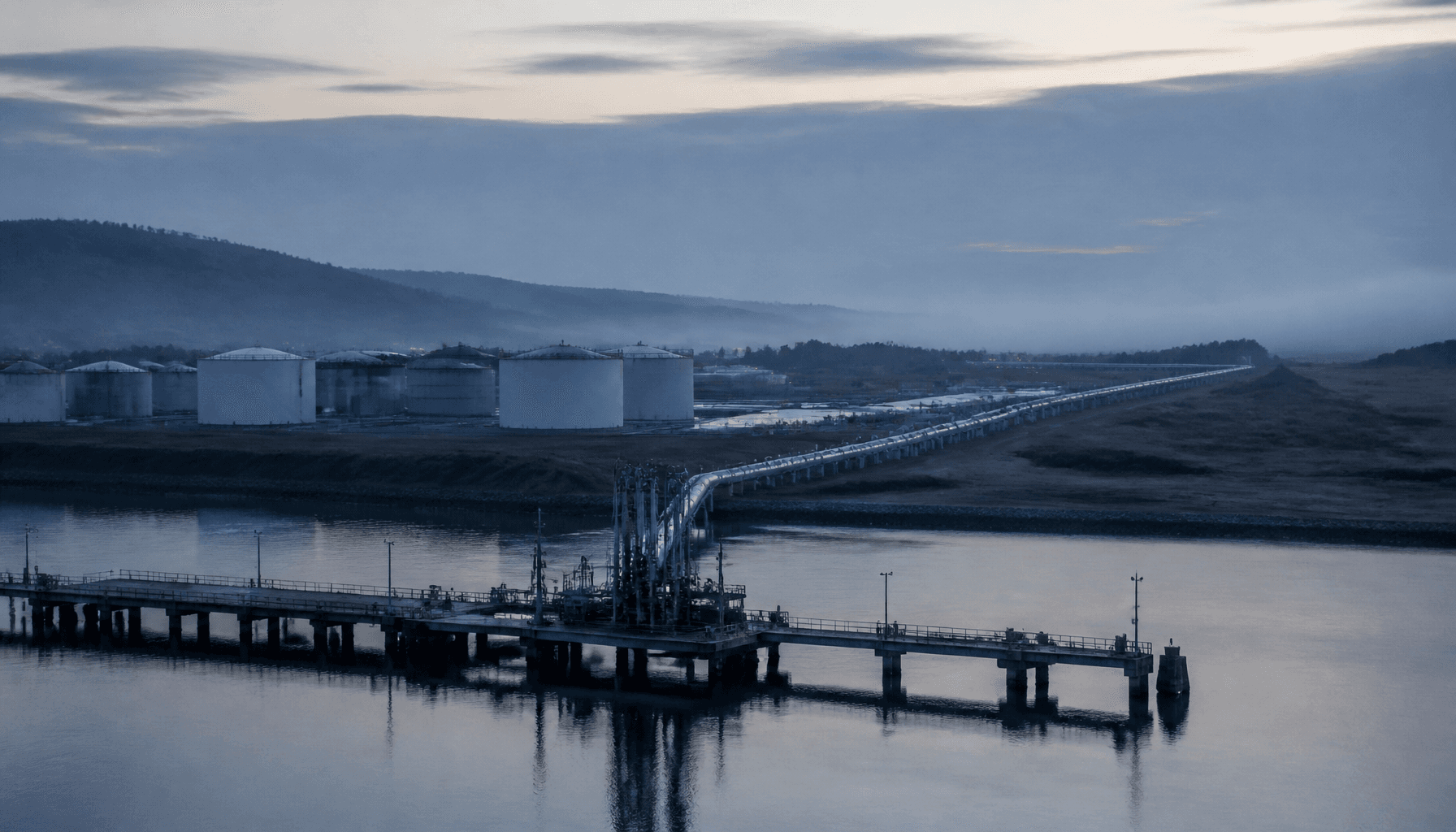
MBIE’s 6 September snapshot shows 51.7 days of petrol cover on paper. Only 34.5 of those days sit onshore. Eight of nine ships still float outside the EEZ, and sequential Hormuz then Red Sea stress is already priced into $3-plus petrol.
Diesel prices in New Zealand rose 94.9 percent in the two months to April 2026, the largest sustained spike in at least 15 years, Stats NZ data show.
Petrol prices climbed 33.6 percent over the same period.
The surge followed the closure of the Strait of Hormuz after escalation between the US, Israel and Iran in late February. That disruption cut roughly one-fifth of global oil supply.
Brent crude averaged above US$100 a barrel, or NZ$170, and traded in the US$105–110 range into May.
Monthly price movements
Stats NZ recorded the biggest monthly jumps since it began tracking vehicle fuel prices in July 2011.
Petrol rose 18.6 percent and diesel 42.6 percent from February to March. Prices kept climbing in April, with petrol up another 12.6 percent and diesel 36.6 percent.
Diesel recorded the two largest single-month fuel price movements since Stats NZ began tracking in July 2011. Source: Stats NZ.
Annual figures to March showed petrol 13.9 percent higher and diesel 36.9 percent higher than a year earlier.
Inflation transmission
Fuel and transport items make up about half the consumer price index.
ASB senior economist Mark Smith estimated the direct monthly inflation impulse from energy at 1.3 percentage points.
That lift pushed the June-quarter annual inflation rate to around 4.3 percent, up from 3.1 percent in March, according to ASB forecasts.
Infometrics expects inflation to reach 4.8 percent in the June quarter before easing to 3.9 percent by March 2027.
Food prices stayed flat in April, with annual food inflation falling to a 12-month low of 2.6 percent.
Electricity prices rose 2.3 percent in the month, taking the annual increase to 13.1 percent. Gas prices climbed 10.4 percent over the year.
Domestic airfares increased 4.2 percent and international airfares 6.2 percent in April. Over the 12 months to April, domestic airfares fell 6.9 percent and international airfares fell 6.5 percent.
Household and business effects
Trucking and logistics operators face immediate cost pressures that cannot be fully passed on.
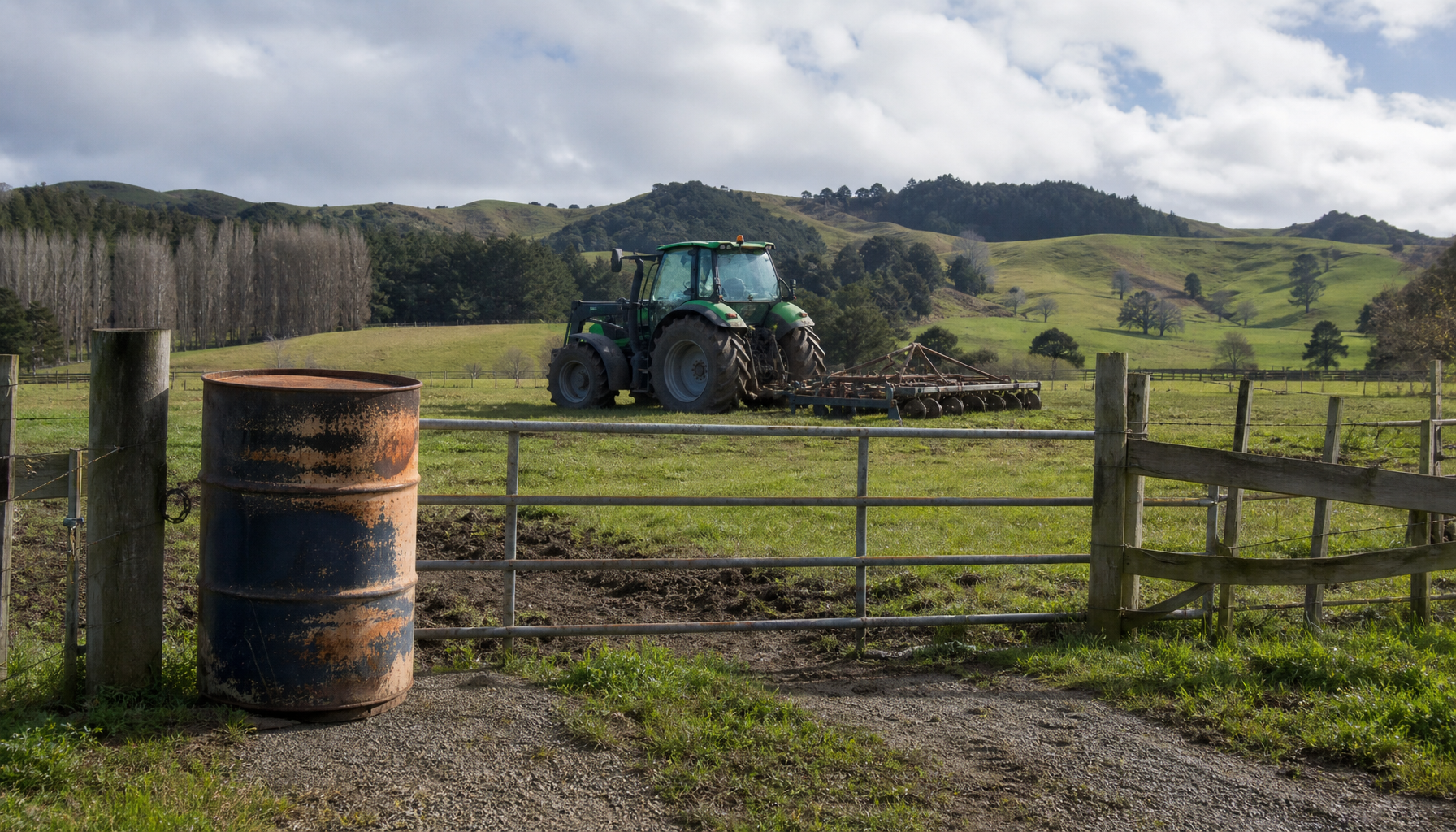
The farming sector, which relies heavily on diesel for machinery and transport, will see higher operating costs feed into food production expenses.
Illustration: New Zealand's farming sector, heavily reliant on diesel for machinery and transport, faces elevated operating costs that will feed into food production expenses over coming quarters.
Households report budget strain, with increased use of buy-now-pay-later services and lower spending on discretionary items. Stats NZ electronic card data showed fuel spending up 17 percent in March while apparel and hospitality outlays declined.
Reserve Bank response
The Reserve Bank held the Official Cash Rate at 2.25 percent in April and warned that near-term inflation would rise while growth weakened. The next decision is scheduled for 27 May.
ASB expects the first 25-basis-point hike in July, with the OCR reaching 3.25 percent by year-end.
Infometrics has already cut its 2026 GDP forecast from 2.5 percent to 1.3 percent.
The Reserve Bank has signalled it will look through a temporary energy spike provided second-round effects remain contained. It stands ready to act if inflation expectations or core pressures become entrenched.
The May Monetary Policy Statement will provide the first formal update incorporating April data.