NZ Fuel Stocks Ease After Supply Jump But Stay Well Above Minimums
New Zealand’s fuel stocks stood at 56.2 days of petrol, 46.3 days of diesel and 47.7 days of jet fuel as at 11:59pm on 13 May 2026, according to the Ministry of Business, Innovation and Employment.
New Zealand rural confidence stayed positive for a ninth straight quarter in August 2026, with horticulturalists overtaking sheep and beef as the most optimistic sector while investment plans stayed soft.
ASB’s Q2 2026 Regional Economic Scoreboard left Wellington joint last with Gisborne while Canterbury led on dairy cash, jobs and retail. The capital’s multi-quarter underperformance is structural: public-service consolidation, a deep housing correction and stalled population growth colliding with a national OCR still set for nationwide inflation.
MBIE’s 6 September snapshot shows 51.7 days of petrol cover on paper. Only 34.5 of those days sit onshore. Eight of nine ships still float outside the EEZ, and sequential Hormuz then Red Sea stress is already priced into $3-plus petrol.
New Zealand's fuel stocks stood at 56.2 days of petrol, 46.3 days of diesel and 47.7 days of jet fuel as at 11:59pm on 13 May 2026, according to the Ministry of Business, Innovation and Employment.
The previous update on 10 May recorded 59.0 days of petrol, 45.2 days of diesel and 50.2 days of jet fuel. The modest pullback in petrol and jet fuel followed several large shipments that arrived the prior week.
MBIE described the movements as routine shipping and consumption cycles. No supply disruption is occurring.
Current levels sit comfortably above the Minimum Stockholding Obligation that requires importers to maintain an average of 28 days' cover for petrol, 21 days for diesel and 24 days for jet fuel.
NZ Fuel Stock Days Cover: Late April to Mid-May 2026
Stock levels fluctuate with normal tanker arrivals and steady consumption.
Source: MBIE Fuel Stocks Updates, May 2026
The figures use average daily demand of 8.1 million litres of petrol, 10.7 million litres of diesel and 4.8 million litres of jet fuel. These consumption rates underpin the days-cover calculations.
All imports, no domestic refining
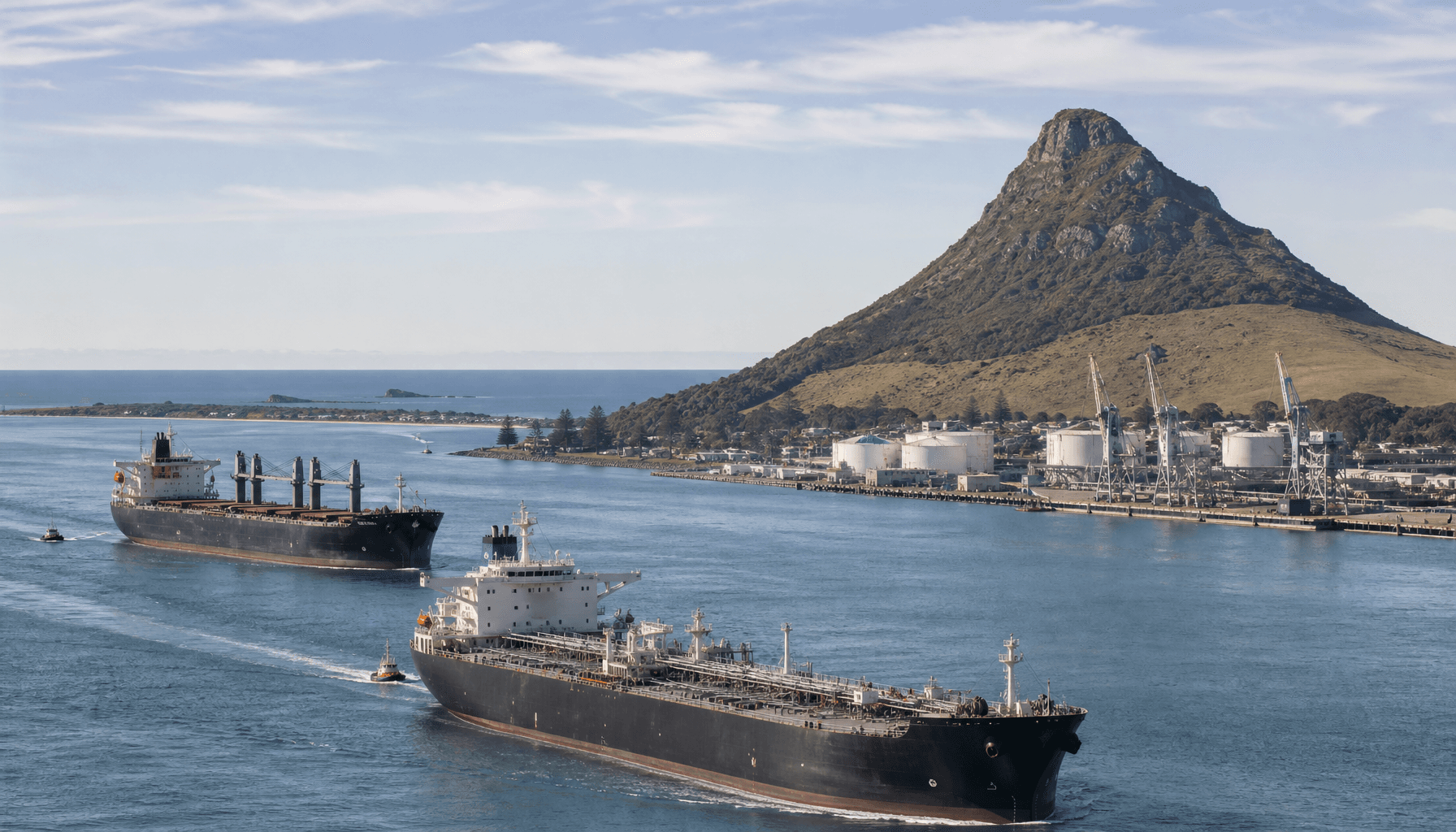
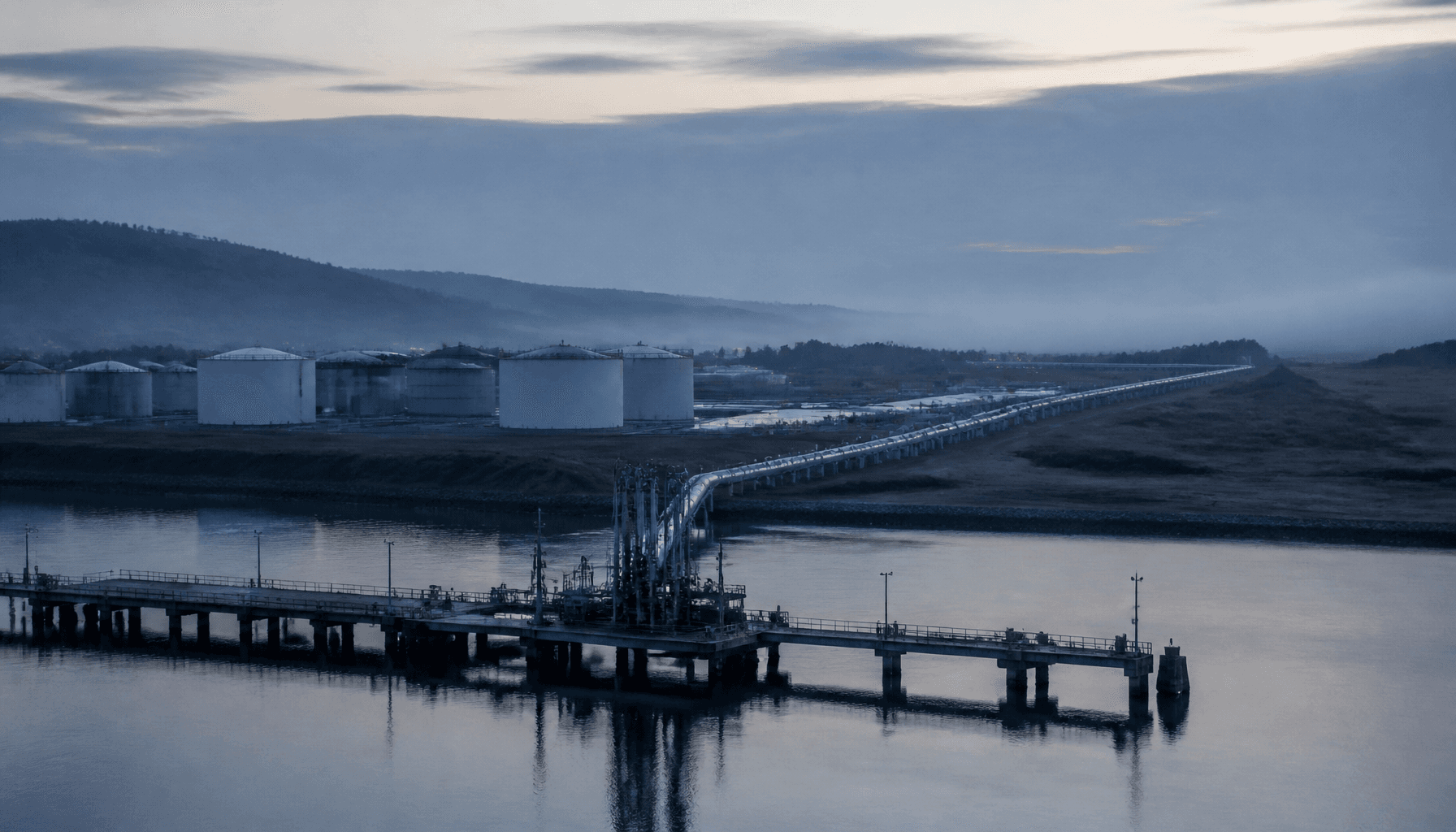
New Zealand imports every litre of liquid fuel after the permanent closure of the Marsden Point refinery. Regular tanker arrivals from Singapore and other hubs continue without reported issues.
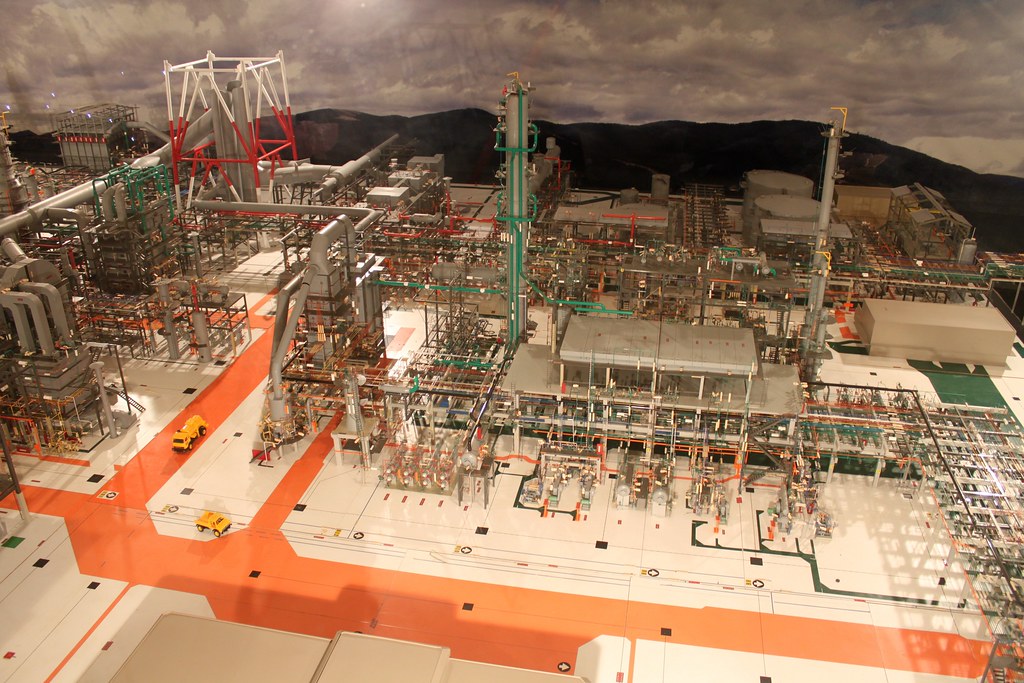
The Marsden Point refinery in Northland, now permanently closed — New Zealand imports every litre of its petrol, diesel and jet fuel following the shutdown. "New Zealand: Marsden Point Oil Refinery" by eliduke · CC BY-SA 2.0
Importers hold confirmed orders that provide visibility through to late June and planned orders into early August. MBIE receives continuous updates from fuel companies and has seen no reports of disrupted supply chains.
The country remains in Phase 1 of the National Fuel Response Plan 2026. Supply is stable and no change in purchasing behaviour is required.
Costs still feeding through to households and businesses
Higher transport costs from diesel and jet fuel still feed into business operating expenses across logistics, agriculture, construction and tourism. These costs ultimately reach households through goods prices and airfares.
The regulatory minimum stockholding obligation, introduced in January 2025, adds compliance costs for importers yet current holdings remain well above the thresholds. Market signals continue to drive orderly resupply despite the added layer of rules.
With confirmed orders secured and Phase 1 status holding, pump-price volatility is expected to stay contained in the near term.