Services Sector Contracts Again in April 2026 — Economic News
PSI · SERVICES SECTOR
NZ Services Sector Contracts for Third Month as Fuel Costs Surge
New Zealand's services sector remained in contraction in April 2026. The BNZ-BusinessNZ Performance of Services Index rose 2.7 points to 48.9 from a revised 46.2 in March.
Economic Data Reporter · 18/05/2026 · 13:58 NZT · 5 min read
"With the continuing conflict affecting shipping through the Strait of Hormuz, it is difficult to foresee a quick return to expansion in the sector."Katherine Rich, BusinessNZ chief executive
New Zealand rural confidence stayed positive for a ninth straight quarter in August 2026, with horticulturalists overtaking sheep and beef as the most optimistic sector while investment plans stayed soft.
ASB’s Q2 2026 Regional Economic Scoreboard left Wellington joint last with Gisborne while Canterbury led on dairy cash, jobs and retail. The capital’s multi-quarter underperformance is structural: public-service consolidation, a deep housing correction and stalled population growth colliding with a national OCR still set for nationwide inflation.
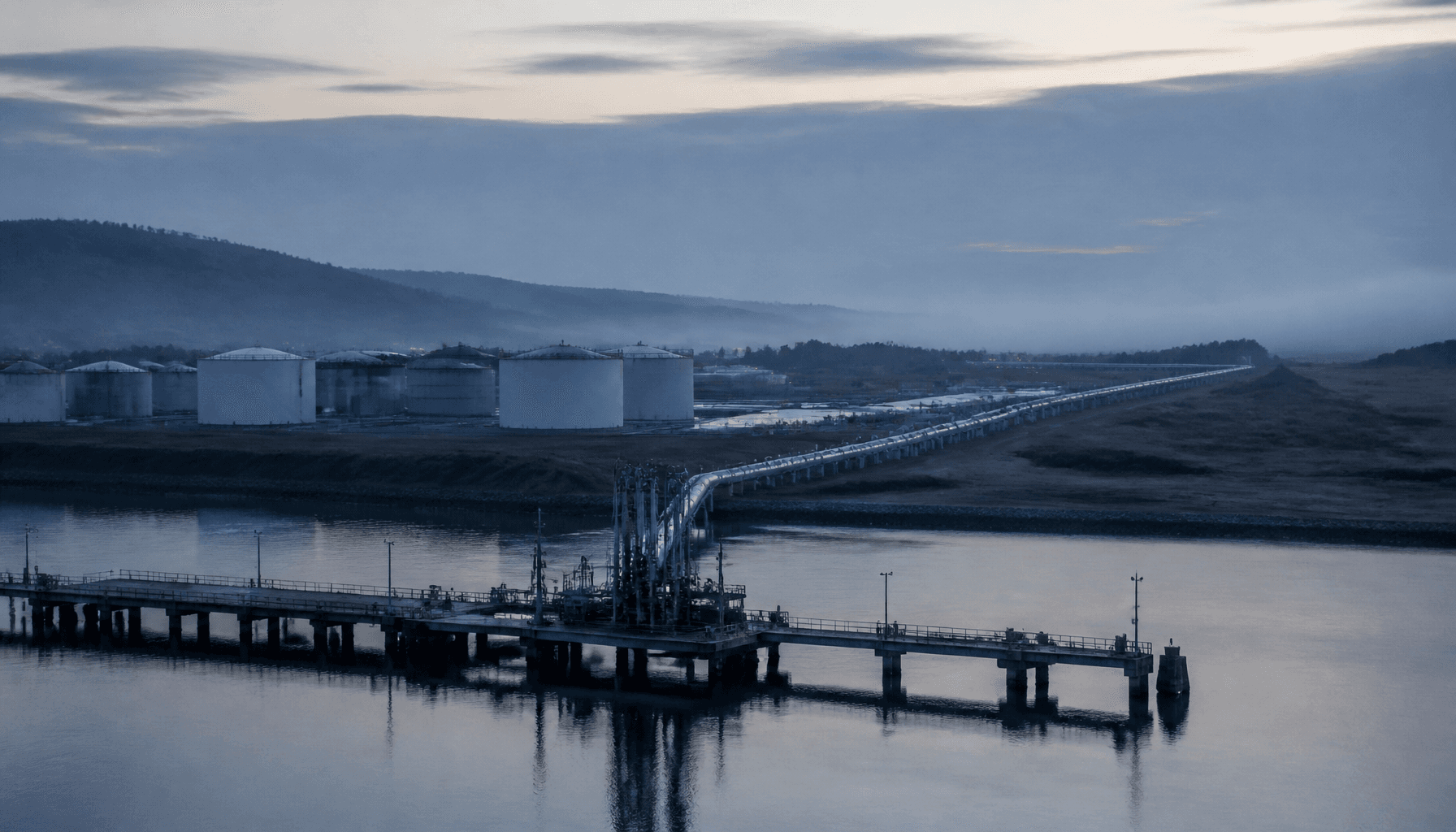
MBIE’s 6 September snapshot shows 51.7 days of petrol cover on paper. Only 34.5 of those days sit onshore. Eight of nine ships still float outside the EEZ, and sequential Hormuz then Red Sea stress is already priced into $3-plus petrol.
New Zealand's services sector remained in contraction in April 2026. The BNZ-BusinessNZ Performance of Services Index rose 2.7 points to 48.9 from a revised 46.2 in March.
The reading marked the third consecutive month below the 50 breakeven point that separates expansion from contraction. New orders edged into expansion at 51.2. Employment, sales, stocks and supplier deliveries all stayed below 50.
Employment has now sat below the breakeven mark for 29 straight months. The services sector accounts for nearly three-quarters of the New Zealand economy.
Higher fuel prices drove much of the weakness. Petrol prices jumped 13 percent and diesel surged 37 percent in April. The increases stemmed from disruptions to shipping through the Strait of Hormuz amid the Middle East conflict.
With the continuing conflict affecting shipping through the Strait of Hormuz, it is difficult to foresee a quick return to expansion in the sector.
BNZ-BusinessNZ PSI — recent monthly readings
April's uptick still leaves the index well below the 50 breakeven and the long-run average of 52.8.
Source: BusinessNZ / BNZ Markets Research
BusinessNZ chief executive Katherine Rich noted the impact. More than two-thirds of survey comments were negative. Many respondents pointed to fuel prices. Smaller firms with fewer than 10 employees reported tougher conditions than larger operators.
BNZ head of research Stephen Toplis said the results align with expectations. The data alongside the weak manufacturing survey is consistent with BNZ's forecast that Q2 GDP will struggle to climb above zero.
Recent BNZ-BusinessNZ PSI Readings
The index has stayed below the 50 expansion threshold since February.
Source: BusinessNZ and BNZ Markets Research
The long-term average PSI reading stands at 52.8. The current run of sub-50 readings represents a significant deviation from historical norms.
The Reserve Bank of New Zealand's May 2026 Financial Stability Report noted that economic growth had begun to recover prior to the conflict. Recent events now point to a slower recovery.
PSI sub-index readings, April 2026
New orders were the sole sub-index in expansion; employment, sales, stocks and supplier deliveries all remained in contraction territory.
Source: BusinessNZ / BNZ Markets Research
Stats NZ highlighted changes in fuel prices and supply chains affecting households and businesses. Westpac NZ projected 1.5 percent growth for 2026, citing the Iran conflict and fuel price rises.
Real petrol and diesel prices reached 50-year highs. The combination of higher input costs and reduced confidence is expected to damp activity while lifting near-term inflation.
The RBNZ faces upward pressure on inflation forecasts in its May Monetary Policy Statement. This could delay further easing.
Smaller businesses bear much of the burden. Discretionary spending in accommodation, cafés and restaurants has pulled back sharply.
The episode shows how external shocks transmit quickly through New Zealand's import-dependent economy. Prudent fiscal settings and reduced reliance on government spending measures will be needed to support a durable recovery.